Home Blog Page 87

Can Sabalenka complete the Sunshine Double in Miami after Indian Wells

0

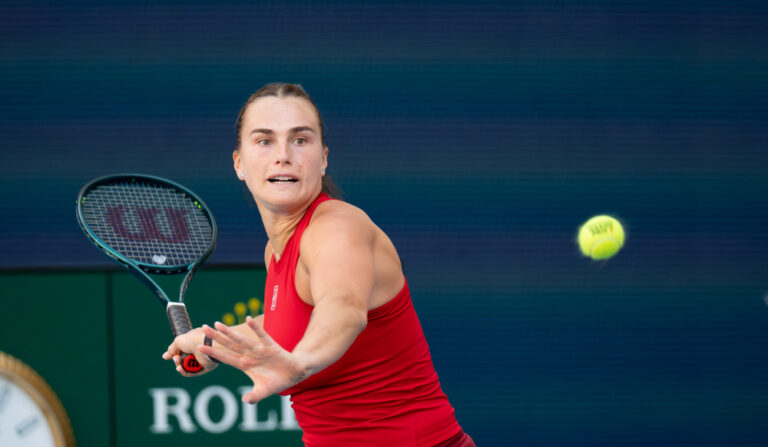
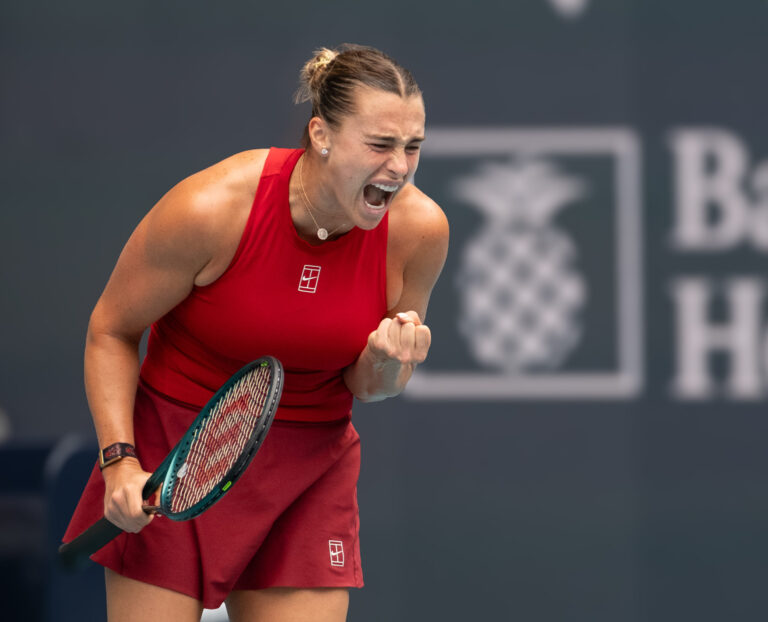
Aryna Sabalenka arrives in Miami with more than just another title to defend. She comes in with momentum, confidence and a chance to pull off one of the hardest feats in women’s tennis: winning Indian Wells and Miami in back-to-back weeks.

The so-called Sunshine Double has long been one of the sport’s toughest tests, demanding not only elite form but also the physical and mental resilience to keep winning after a draining run in the California desert.

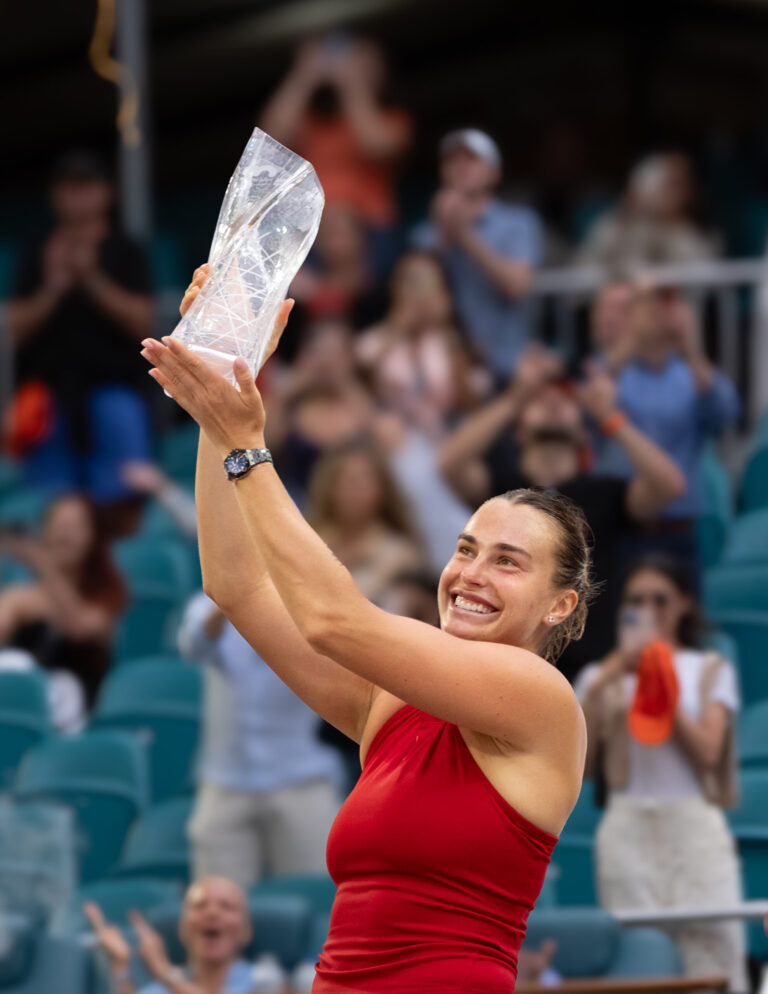
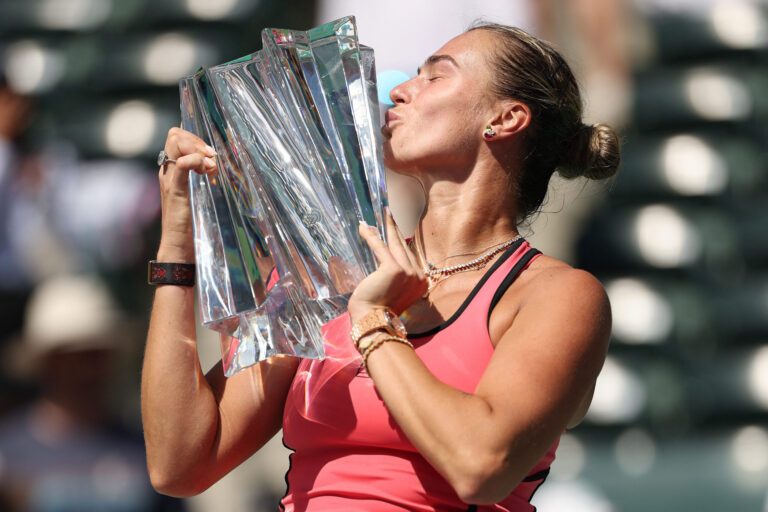
Sabalenka earned that opportunity by winning her first Indian Wells title on Sunday, beating Elena Rybakina 3-6, 6-3, 7-6(6) in a dramatic final that lasted two hours and 31 minutes.

The victory gave the world No. 1 her 23rd career WTA singles title, her 10th WTA 1000 crown and her second title of the 2026 season after Brisbane. It also carried extra weight because it ended a run of four straight tour-level final losses to Rybakina, including this year’s Australian Open final.

Now the scene shifts quickly to South Florida, where Sabalenka is not just chasing another trophy but trying to defend the Miami Open title she won last year. The WTA has already framed her bid as one of the central storylines of the tournament, and for good reason. Miami closes the Sunshine Swing, and the quick turnaround from Indian Wells to another WTA 1000 means there is little time to recover, reset and adapt.

Sabalenka does at least enter the event with familiarity and comfort on her side. She is the defending champion in Miami, where she beat Jessica Pegula in the 2025 final to claim her first title at Hard Rock Stadium.

Miami Open organizers also noted that Sabalenka, who lives in the area, planned to head straight home after Indian Wells before beginning her title defense. She said after the final that she would need to bring her best tennis back to Miami and that the energy from her Indian Wells win could help carry her into another strong run.

The challenge, though, will be substantial. Miami is rarely forgiving, even for the top seed. The women’s draw is loaded again, with the tournament featuring the entire top 10 in the rankings and multiple former champions. Sabalenka opens with a bye as the No. 1 seed, but the depth of the field means there will be little margin once she begins play.

What makes Sabalenka especially dangerous right now is not just the raw power that has defined her rise, but the sense that she has arrived in Miami with a burden lifted. Her Indian Wells title ended a painful stretch of close calls in big finals and gave her another reminder that she can win the biggest hard-court matches under pressure.

If that confidence travels with her across the country, Miami may once again find itself trying to stop the player everyone is chasing.

This week will show whether Sabalenka can sustain that level one more time. Winning Indian Wells was already significant. Completing the Sunshine Double would make it something much bigger.

How Tennis Players Make Money — Beyond Prize Money Explained

0

Walk into any professional tennis tournament and the commercial machinery of the sport is impossible to miss. Logos on rackets, names on shirt collars, brand marks on bags, watch partnerships announced courtside. Every top player arrives at a Grand Slam carrying a carefully assembled portfolio of sponsorships that, for the biggest names in the game, generates more income than anything that happens on the court.

Understanding how sponsorship deals work in professional tennis — what they cover, why tennis attracts the brands it does, how deals are structured, and what makes one player more valuable commercially than another — reveals a side of the sport that prize money leaderboards never show.

Why Prize Money Tells Only Part of the Story

Prize money is the most visible source of income in professional tennis. Fans see trophy checks, published tournament purses, and ranking updates tied to results. What they do not always see is the much larger commercial business that sits behind a successful player’s career.

At the top of the sport, off-court income can rival or significantly exceed what a player earns in tournaments across an entire season. A player who earns three million dollars in prize money in a given year may be generating two or three times that figure through sponsorship agreements, appearance work, image rights, and commercial partnerships.

That gap between on-court earnings and total earnings helps explain one of the central truths of modern professional tennis: winning matches matters enormously, but marketability, visibility, and brand value matter too — sometimes more.

This is not unique to tennis, but tennis has structural qualities that make sponsorship particularly valuable in this sport compared to most others.

Why Tennis Is So Valuable to Sponsors

Tennis is exceptionally attractive to sponsors for reasons that go beyond simple audience size. The sport is global, individual, and unusually easy to package around a single face — qualities that brands in virtually every category are willing to pay significantly for.

A player competing on the professional tour appears in major cities across six continents over the course of a single season. They compete for hours at a time on television, carrying visible branding on clothing, shoes, bags, and equipment. Unlike team sports, where brand visibility is shared across a roster and diluted by the collective identity of the team, a tennis player is the undivided centerpiece of every broadcast moment. The camera follows one person. The sponsor’s logo follows with it.

That individual nature of the sport also means a player can become the face of a brand’s campaign across multiple countries simultaneously. A player ranked inside the top ten competes in Australia, France, England, and the United States at the Grand Slams alone — plus dozens of other markets at tour events throughout the year. For a global brand seeking consistent, high-quality exposure across diverse markets, a single top tennis player can deliver what would otherwise require separate regional campaigns in each territory.

Tennis also carries a specific cultural identity that certain sponsor categories value enormously. The sport has long been associated with international sophistication, precision, and longevity — qualities that resonate particularly strongly with luxury brands, financial institutions, and premium lifestyle companies. That cultural positioning is not accidental, and it is one of the reasons the sponsor rosters of top tennis players look different from those of athletes in other major sports.

Apparel and Footwear: The Most Visible Deals

Apparel deals are the most immediately visible form of tennis sponsorship and, for many players, the largest single source of off-court income. Top players sign with sportswear companies for clothing and footwear, and those contracts can grow dramatically as rankings rise and titles accumulate.

For elite players, an apparel relationship is rarely simply about match-day gear. It typically encompasses advertising campaigns, signature collections, social media obligations, appearances tied to product launches, and contractual requirements around how and when the brand is worn and promoted. The player becomes a long-term ambassador for the brand’s identity, not just a walking billboard during tournament matches.

The financial structure of apparel deals varies widely depending on ranking, market profile, and negotiating leverage. A player who wins a Grand Slam for the first time often finds their existing apparel contract immediately renegotiated — the title creates leverage that wasn’t there before, and brands know it. Conversely, a player who falls significantly in ranking or suffers a prolonged injury absence may find renewal terms less favorable than their previous deal.

Footwear is often bundled with apparel in the same agreement, though some players negotiate them separately. For sportswear companies, having a prominent player wearing their footwear on court is particularly valuable because footwear is visible in broadcast close-ups in a way that other equipment is not.

Racket and Equipment Contracts

Racket contracts are a major and often underappreciated revenue stream for professional players. Most elite players carry long-term equipment agreements covering rackets, bags, strings, and sometimes other gear. These deals are valuable to both parties for different reasons.

For the sponsoring brand, the appeal is direct performance association. Every televised serve, forehand, and match-winning shot becomes product exposure. The racket a player holds is visible throughout every point of every match, in close-up and wide shot alike, across every broadcast and highlight package the match generates. For equipment companies competing in a market where consumers are highly attentive to what the best players use, that exposure has genuine commercial value.

For the player, equipment contracts provide guaranteed income that is not dependent on surviving another round in a tournament draw. Prize money fluctuates with results — a first-round loss at a major event returns a fraction of what a deep run would generate. Equipment sponsorship pays regardless. That stability is significant, particularly for players ranked in the 30 to 100 range who are competitive enough to maintain elite contracts but not consistently deep enough in major draws to rely on prize money alone.

Luxury and Lifestyle Partnerships

Luxury endorsements occupy a distinct category within tennis sponsorship. Watch brands, jewelry companies, premium automotive manufacturers, and high-end lifestyle labels approach sponsorship relationships differently from sportswear companies — they are typically seeking association with a player’s image and identity rather than simple brand visibility during competition.

Tennis has long been unusually well-positioned for luxury partnerships. The sport’s global footprint, its established presence in culturally significant cities, its association with precision and longevity, and the individual nature of its competition all align with how luxury brands construct their marketing narratives. A watch brand that values craftsmanship and enduring performance finds natural language in tennis that it would not find as readily in many other sports.

For this reason, players who project consistency, poise, and global appeal often secure significant luxury partnerships even if they are not the highest prize-money earners on tour. Personality, presentation, and off-court profile matter as much as ranking in this category. A player who is ranked 15th in the world but carries a distinctive identity and communicates well across languages and markets may be more commercially valuable to a luxury brand than a player ranked fifth who generates less off-court engagement.

Bonus Clauses: How Results Trigger Additional Income

Sponsor contracts at the elite level routinely include performance bonus clauses that create additional income when specific results are achieved. These bonuses are rarely publicized in detail, but their existence is well understood within the sport.

Common bonus triggers include breaking into the top ten for the first time, qualifying for the ATP Finals or WTA Finals, winning a first Grand Slam title, reaching world number one, or finishing the season at number one. Some contracts include bonuses for winning specific events that carry particular brand relevance — a watch company might offer a larger bonus for winning Wimbledon, where their brand has a longstanding courtside presence, than for winning elsewhere.

The practical effect is that a deep run at a major tournament can create several simultaneous paydays. The tournament check itself is the most visible. But there may also be sponsor bonuses triggered by the result, stronger leverage in upcoming contract renewals, and increased visibility that generates new commercial interest from brands not previously in conversation with the player. One significant result — a first Grand Slam title, a breakthrough final, a surprise deep run — can materially change a player’s financial position across multiple income streams at once.

Appearance Fees, Exhibitions, and Promotional Work

Not every dollar in professional tennis comes from standard tour events. Star players generate income from exhibitions, sponsor events, corporate functions, clinics, and promotional appearances that exist entirely outside the weekly prize-money structure.

Exhibition tennis — matches organized outside the official tour calendar, often featuring top players competing in non-ranking events for entertainment purposes — can pay appearance fees that rival or exceed what a player would earn reaching the later rounds of a tour event. The exact financial structures vary, and tour regulations govern certain aspects of how and when players can participate in outside events, but the commercial appetite for star players in exhibition settings is significant.

Corporate appearances, brand events, and promotional functions add another layer. A top player attending a sponsor’s client event, appearing at a product launch, or participating in a branded clinic generates income that has no connection to match results. For players with strong brand portfolios, this kind of promotional work forms a consistent income stream throughout the year, including during offseason periods when prize money is not available.

The Forbes Benchmark

Each year, Forbes publishes a ranking of the highest-paid tennis players, combining on-court earnings with sponsorship and endorsement income. The top names on that list typically post total annual earnings well into eight figures, with the largest endorsement portfolios generating multiples of what those players earn in prize money over the same season. The list is a useful benchmark for the scale of off-court commercial earnings at the very top of the sport, even as the specific names and figures shift year to year.

Social Media, Image Rights, and Digital Partnerships

Modern professional tennis players are not only athletes — many are also significant media brands in their own right. A top player with millions of social media followers carries audience reach that brands in multiple categories are actively competing to access.

Sponsored social media content, digital advertising campaigns, fashion partnerships, and branded appearances in online media have become meaningful revenue sources, particularly for players who have built strong direct relationships with fans beyond their competitive results. Image rights — the commercial use of a player’s name, likeness, and identity — are negotiated separately from other sponsorship elements and can generate substantial income for players whose profiles extend beyond purely athletic recognition.

This dynamic means that commercial value in tennis does not map perfectly onto ranking. A player with a large, engaged following, a distinctive personal identity, or strong appeal in a specific major market — China, the United States, or a significant European country — may generate more commercial interest than a player ranked higher but carrying less off-court profile. Brands are buying audience access and image association, not simply ranking position.

New Revenue Streams: Investments and Business Interests

At the very top of the sport, the commercial picture extends beyond traditional sponsorship into investments, equity arrangements, and longer-term business interests. Some established players have moved into brand partnerships that include ownership stakes rather than simply endorsement fees. Others have launched companies, built business interests across multiple industries, or taken advisory roles with brands in their portfolio.

For the biggest stars, tennis becomes the foundation for a commercial career that continues generating income long after competitive play has ended. The relationships, visibility, and business experience accumulated during a playing career translate directly into post-retirement opportunities that players earlier in the sport’s history did not have access to in the same way.

This longer horizon — the idea that sponsorship built during a playing career creates lasting commercial value — has changed how some players and their management teams think about brand relationships. A sponsorship deal is not just income today. For the right player with the right partner, it is the beginning of a business relationship that compounds over time.

What Makes One Player More Commercially Valuable Than Another

The simplest summary of commercial value in tennis is this: prize money rewards performance, but sponsorship rewards value. Those two things overlap significantly but are not identical.

Ranking matters — brands want association with winning and with players who appear regularly in the later rounds of major events. But ranking is not the only factor, and for certain categories of sponsorship it is not even the primary one. Market relevance, personality, communication ability, social media presence, perceived longevity, and the narrative surrounding a player’s career all influence commercial value in ways that the ranking list does not capture.

That is why the highest-earning players in tennis are not always the ones who won the most prize money in a given season. And it is why a player who reaches a first Grand Slam final — generating weeks of global coverage, telling a compelling story, and suddenly becoming recognizable to audiences who don’t follow tennis closely — can see their commercial value shift dramatically in a matter of days.

In professional tennis, the trophies open the doors. The real business is what happens once you’re inside.

Frequently Asked Questions

Do top tennis players earn more from sponsorship than from prize money? For most players inside the top 20, sponsorship and endorsement income substantially exceeds prize money over a full season. A player earning a few million dollars in tournament prize money may be earning multiples of that figure through apparel, equipment, luxury, and lifestyle partnerships combined.

How are tennis sponsorship deals structured? Most elite sponsorship contracts cover a fixed multi-year base fee plus performance-related bonuses, with obligations around appearances, social media content, and brand representation. Apparel and footwear deals are typically the largest single contracts. Equipment, watch, automotive, and financial partnerships round out a top player’s portfolio.

What is an apparel deal in professional tennis? An apparel deal is a long-term agreement with a sportswear company covering match clothing and footwear, almost always extending to advertising campaigns, signature product lines, and public appearances. For the top names in the sport, apparel contracts are usually the single largest source of off-court income.

Do tennis players earn money from exhibition matches? Yes. Exhibition events held outside the official tour calendar pay appearance fees that can rival or exceed what players earn at standard tour events. These fees are negotiated directly with event organizers and operate independently of prize money or ranking points.

What are performance bonus clauses in tennis contracts? Bonus clauses are contractual provisions that pay a player additional sums when specific results are achieved — breaking into the top 10, qualifying for the ATP Finals or WTA Finals, winning a first Grand Slam, or reaching the world No. 1 ranking. The exact figures vary by contract and are rarely publicized, but they form a meaningful part of total earnings for players who hit major milestones.

Do tennis players make money outside the tour calendar? Yes. Corporate appearances, sponsor events, branded clinics, exhibition matches, and social media partnerships all generate income that has no connection to tournament results. For players with strong brand portfolios, this work continues year-round, including during the offseason.

How does ranking affect a player’s commercial value? Ranking matters, but it is not the only factor that drives commercial value. Market relevance, personality, social media presence, communication ability, and the narrative around a player’s career all shape commercial appeal. A player ranked 15th in the world with a distinctive identity and strong off-court profile can be more valuable to certain brand categories than a higher-ranked player with less commercial visibility.

Related: How Prize Money Works in Professional Tennis · How Tennis Agents and Management Work

Illness Forces Emma Raducanu To Miss Miami Open Tournament

0

Emma Raducanu has withdrawn from the Miami Open as illness continues to disrupt her season.

The British number one pulled out of the WTA 1000 event on Monday after failing to recover from post-viral symptoms that started during the Middle East swing in February. The virus hit her hard in Doha, where she retired from her first-round match, and carried into Dubai for another early exit. Those effects have lingered into March, forcing her to skip the tournament in Florida despite her entry as the 24th seed with a first-round bye.

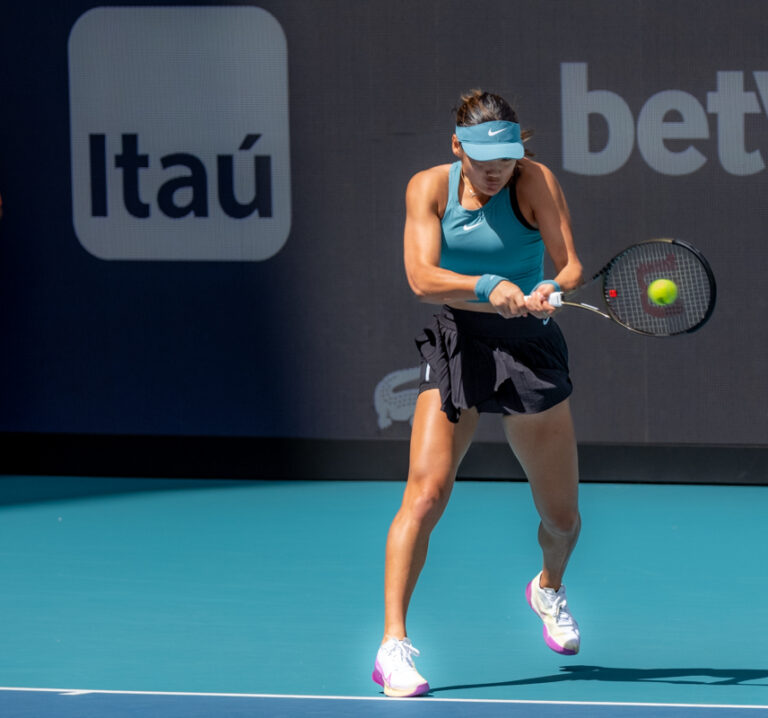
Raducanu’s most recent action came at Indian Wells earlier this month. She advanced to the third round with a straight-sets win over Anastasia Zakharova but then lost 6-1 6-1 to Amanda Anisimova.

Her season record sits at seven wins and seven losses. She reached the final at the WTA 250 event in Cluj-Napoca and recorded her best win of the year against world No 86 Zakharova, yet health problems have prevented her from stringing together consistent results.

An off-season foot injury already limited her preparation before the United Cup. She later opted out of Great Britain’s Billie Jean King Cup tie against Australia in Melbourne. Now the Miami absence adds to the list of interruptions.

This latest withdrawal will cost Raducanu ranking points. She made the quarter-finals at the same event last year, earning 215 points that she drops from her tally. Ranked around No 23 and the British number one, she now faces a slide that could affect her seeding at future tournaments.

Raducanu continues to compete without a permanent coach. She split with Francisco Roig after the Australian Open and has worked with Mark Petchey on a temporary basis. The lack of a steady voice in her corner comes at a time when stability feels harder to find.

The 2021 US Open champion has shown she can fight back from setbacks. Multiple wrist and ankle surgeries kept her off the tour for much of 2023, yet she worked her way back into the top 30 with strong runs last year, including that Miami quarter-final. This season started with promise but health concerns have repeatedly reshaped her calendar.

The Miami Open offered a chance to build on hard-court form ahead of the clay swing. Instead, Raducanu will focus on full recovery. Her next appearances are expected on European clay in April, possibly starting at events like Charleston before Madrid and Rome.

The pattern of absences has created clear instability in her schedule. Fitness issues have made it tough to maintain momentum and lock in a reliable tournament plan. With the French Open on the horizon, every missed event carries extra weight for her ranking and preparation.

Raducanu’s team confirmed the decision through the WTA. No timeline has been set for her return, but the priority remains clearing the post-viral symptoms completely. She has dealt with similar disruptions before and found ways to push forward.

Tennis followers will track her progress closely over the coming weeks. The 23-year-old has the talent and determination that carried her to a Grand Slam title as a qualifier. Right now, the focus stays on getting healthy and finding the consistency that has proved elusive so far in 2026.

The withdrawal also affects the draw in Miami. Organizers noted her exit alongside other late changes, including Sonay Kartal pulling out for separate reasons. Attention turns to the rest of the field as the tournament gets underway on Tuesday.

Raducanu’s story this year reflects the physical demands of the modern tour. From the foot problem early on to the February virus and its ongoing impact, each issue has forced adjustments. She has kept competing where possible, showing commitment even when conditions were far from ideal.

Her path back from surgery in 2023 built resilience that many admire. The current challenges test that same strength in different ways. As the clay-court season approaches, fans hope the time away from competition allows her to reset and arrive ready for the next phase.

The ranking implications add pressure. A drop from her current position could mean tougher early matches at the next majors. Miami last year marked a breakthrough at the 1000 level. This year the missed opportunity underscores how quickly one health issue can shift the outlook.

Raducanu has spoken in the past about the importance of listening to her body after years of injury battles. The decision to withdraw aligns with that approach, protecting her long-term fitness over a single event. The tennis world waits to see how quickly she can return to full action.

Miami Open Guide: Everything Tennis Fans Need to Know

0

The Miami Open ranks among the most important tennis tournaments outside the Grand Slams. Held every March at Hard Rock Stadium in Miami Gardens, Florida, it serves as a combined ATP Masters 1000 and WTA 1000 event. It also forms the second half of the Sunshine Double following Indian Wells.

For players, the tournament acts as a major early-season test. For fans, it reveals who enters the spring portion of the year with genuine momentum.

What Level Is the Miami Open?

The event hosts both the men’s and women’s tours simultaneously. On the men’s side, it carries full ATP Masters 1000 status. For women, it holds WTA 1000 designation. This places it directly below the Grand Slams in prestige and ranking points available.

Winners in both singles events collect 1,000 ranking points, a significant boost that can transform a player’s year.

Where the Miami Open Is Played

Since 2019, the tournament has called Hard Rock Stadium in Miami Gardens home after many years at Key Biscayne. The NFL venue offers a large main stadium court that seats more than 14,000 spectators along with extensive grounds and practice facilities.

Players compete on outdoor Laykold hard courts. The surface rewards strong serving and clean ball-striking, but the humid Florida conditions and occasional wind often extend rallies and test physical endurance. Day and night sessions can feel quite different due to temperature changes.

Draw Size and How Byes Work

The singles draws contain 96 players each for men and women, one of the biggest fields on the calendar outside the majors. Doubles draws feature 32 teams.

This large size gives the event a major-tournament atmosphere. The top 32 seeds in each singles draw receive first-round byes and enter at the second round. This setup effectively creates a 128-player bracket feel while giving top players a chance to recover from earlier events.

Ranking Points on Offer

As an ATP Masters 1000 event, Miami awards substantial ranking points. Here is the distribution for men’s singles:

RoundPoints
Winner1,000
Finalist650
Semi-finalist400
Quarter-finalist200
Round of 16100
Round of 3250
Round of 6430
Round of 9610

Women receive very similar points across the rounds, with 1,000 available to the champion. These numbers explain why top players prioritize the event and why one deep run can shift rankings dramatically.

Why the Miami Open Matters

The tournament sits at a critical moment in the calendar. It closes the early hard-court season and offers the final big test before players switch to clay in Europe. Results here influence seeding for future events and shape the narrative around which players carry strong form.

The Sunshine Double

Miami completes the famous Sunshine Double with Indian Wells. The two tournaments sit close together on the schedule, forcing players to manage recovery, travel, and quick adaptation. Completing the double by winning both remains one of the toughest achievements in tennis.

Miami Open vs Indian Wells

While the two events share many similarities, important differences exist in conditions and feel.

FeatureMiami OpenIndian Wells
StatusATP/WTA 1000ATP/WTA 1000
Singles Draw96 players96 players
SurfaceOutdoor hard (Laykold)Outdoor hard
VenueHard Rock StadiumDedicated tennis garden
Main ConditionsHumid coastal air, possible windDry desert air
Typical Play StyleLonger rallies, return-focusedFaster conditions, big serving

These contrasts make the Sunshine Double such a unique challenge. Players often need to adjust their tactics between the two stops.

The Miami Open continues to deliver compelling tennis each spring. With large crowds, top players, and high stakes, it remains a cornerstone of the North American swing and a key stepping stone toward the clay-court season.

How the WTA Race to the Finals Works — Qualification Explained

0

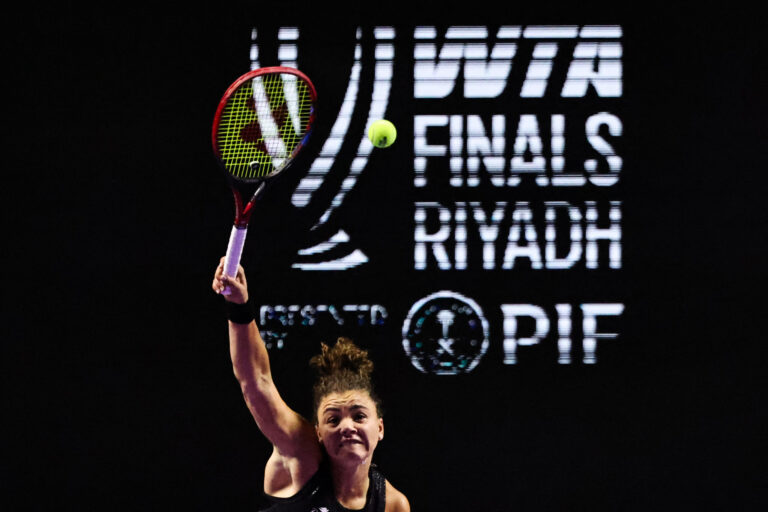
ThThe PIF WTA Race to the Finals is the season-long leaderboard that decides which eight singles players reach the year-end WTA Finals. It resets every year and counts only points earned in the current season, giving a clear, running picture of who is performing best right now — as opposed to the 52-week WTA rankings, which measure sustained results over a rolling year.

The Race vs the Rankings

The two systems answer different questions. The WTA rankings roll over 52 weeks, reward a player’s best 18 results from the past year, and are used to set seedings and entry lists across tournaments. The Race starts from zero at the beginning of each season and exists for one purpose: to determine qualification for the WTA Finals. One measures consistency over time; the other measures performance in the season at hand. A player can sit high in the rankings on the strength of last year’s results while starting slowly in the Race, and vice versa. The men’s tour runs a parallel system, the ATP Race to Turin.

How the Race Window Works

Race points begin accumulating from tournaments that start the week before the previous year’s WTA Finals and run through the events two weeks before the next Finals. That gives the Race a defined season-long window that closes shortly before the year-end championship, at which point the eight qualifiers are locked in.

How Points Are Earned

Players collect Race points exactly as they do in the rankings, based on how far they advance at each event. A Grand Slam champion earns 2,000 points, a WTA 1000 champion 1,000, and WTA 500 and WTA 250 titles award 500 and 250 respectively. Deeper runs at bigger events move a player up the Race far faster than steady results at smaller stops.

The singles Race is calculated from a player’s best 18 tournament results in the season, and those 18 must include:

  • The four Grand Slams
  • The best six results from the seven combined WTA 1000 events (Indian Wells, Miami, Madrid, Rome, Toronto/Montreal, Cincinnati and Beijing)
  • The best one result from the three non-combined WTA 1000 events (Doha, Dubai and Wuhan)
  • The best seven results from any other eligible WTA 1000, WTA 500 or WTA 250 tournaments

WTA 125 and ITF events do not count toward the Race, and neither do results from the Finals themselves.

Mandatory Events and Penalties

Players must compete in a minimum number of WTA 1000 mandatory or WTA 500 events during the season unless a long-term injury earns an exemption. Missing a mandatory event triggers a zero-point penalty that drops into the relevant results bucket and drags on the final tally, exactly as it does in the rankings. This is why the combined WTA 1000s carry extra weight: missing one forces a zero into the six-result count, while only the single best non-combined 1000 counts, limiting how much a player can lean on Doha, Dubai or Wuhan.

How Players Qualify for the Finals

Qualification follows a clear order. The top seven players on the Race leaderboard at the end of the season secure their spots first. The eighth and final place carries a special provision: it goes to the highest-ranked current-year Grand Slam champion sitting between eighth and 20th on the Race, provided she has not already qualified inside the top seven. If no Grand Slam champion falls in that range, the eighth spot simply goes to the next player on the leaderboard. This rule ensures a major champion who had an otherwise inconsistent season still has a route into the year-end field.

Where the WTA Finals Is Held

The WTA Finals moves between host cities, and the venue has changed many times across the event’s history. The host for the current season and the most recent editions is noted in the snapshot below; because it rotates, the Race itself — not any one city — is the constant that defines the road to the season finale.

Why the Race Matters

From the season’s first week to its last, the Race is the live scoreboard of who is having the best year. It sharpens through the autumn as the qualification picture narrows, turning the final tournaments into a scramble for the last available spots. For fans, it is the clearest single measure of current-season form; for players, it is the eight-deep gateway to the richest and most prestigious event outside the Grand Slams.

Season Snapshot

As of mid-2026.

  • 2026 WTA Finals host: Indian Wells, California, USA — 8–15 November (relocated from Riyadh)
  • Recent hosts: Riyadh, Saudi Arabia (2024–2025)
  • Recent champions: Coco Gauff (2024), Elena Rybakina (2025)
  • Field: top 8 singles players and 8 doubles teams by the Race

Frequently Asked Questions

What is the WTA Race to the Finals? It is the calendar-year leaderboard that determines which eight singles players qualify for the season-ending WTA Finals.

How is the Race different from the WTA rankings? The rankings roll over 52 weeks and set seedings; the Race resets each January and counts only current-season results, solely to decide Finals qualification.

How many players qualify through the Race? Eight singles players (and eight doubles teams).

How is the final qualifying spot decided? The top seven qualify outright. The eighth spot goes to the highest current-year Grand Slam champion ranked 8th–20th in the Race if she hasn’t already qualified; otherwise it goes to the next player on the leaderboard.

Where is the WTA Finals held? It rotates between host cities. See the snapshot for the current host.

Jannik Sinner wins Indian Wells title with win over Daniil Medvedev

0

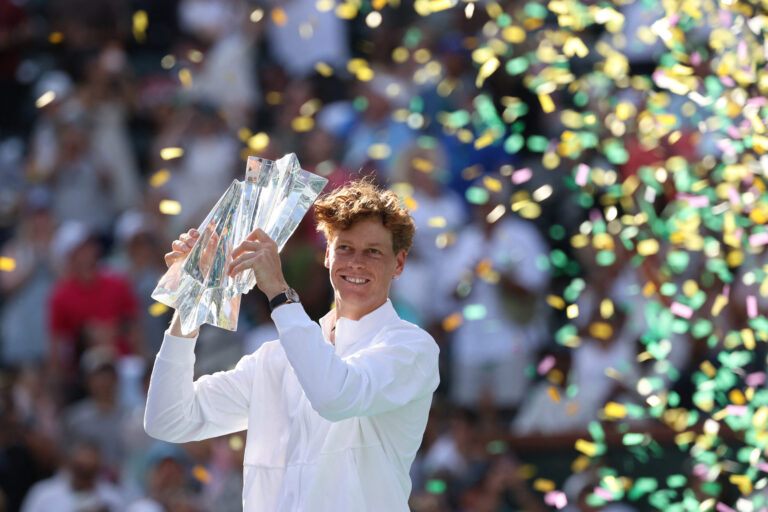
Jannik Sinner captured his first Indian Wells title on Sunday, beating Daniil Medvedev 7-6(6), 7-6(4) in a high-level final that underlined just how hard he has become to dislodge on big hard-court stages. The Italian world No. 2 did not drop a set all tournament and closed the match with a blistering run in the second-set tiebreak after falling behind 4-0.

The win gave Sinner another major milestone in a career that already looks increasingly complete at age 24. With the title in the California desert, he became just the third man to win all six ATP Masters 1000 events played on hard courts, joining Novak Djokovic and Roger Federer. It was also his sixth Masters 1000 title overall and his first trophy of the 2026 season.

The final itself was tighter than the straight-sets score suggests. Medvedev, who had knocked out Carlos Alcaraz in the semifinals, pushed Sinner through long baseline exchanges and repeatedly tested him with changes of pace and depth.

But Sinner was sharper in the biggest moments, taking both tiebreaks and refusing to let the match drift when pressure rose. Reuters reported that he finished with 28 winners, 10 aces and won all eight of his net approaches, a remarkably clean stat line in a final decided by fine margins.

Sinner’s composure late in the second-set tiebreak may have been the defining stretch of the match. Down 4-0 and facing the possibility of being dragged into a third set against one of the sport’s toughest defenders, he reeled off seven straight points to slam the door. It was the kind of closing burst that has become more and more characteristic of his game: calm, precise and ruthless when the opening appears.

The title also reinforced Sinner’s grip on the sport’s biggest hard-court events. ATP Tour said he arrived in Indian Wells having already won the other five hard-court Masters 1000 tournaments, and this victory completed the set.

He became the first player since 1990 to win back-to-back Masters 1000 titles without losing a set, extending a category winning streak that began with his Paris triumph last November.

For Medvedev, it was another painful Indian Wells final defeat after his strong run through the draw, including that statement win over Alcaraz. For Sinner, it felt like something else: not just another title, but another sign that the balance of power in men’s tennis is still tilting in his direction.

Djokovic Withdraws from Miami Open with Right Shoulder Injury

0

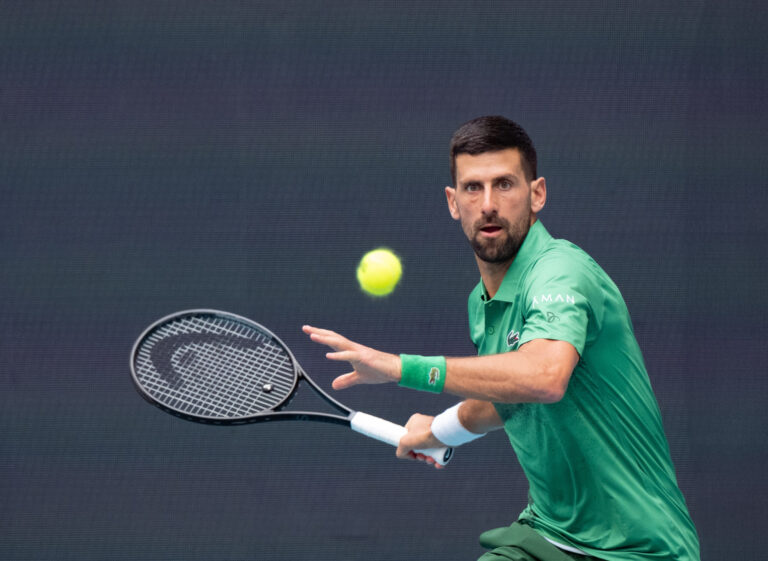
Novak Djokovic has pulled out of the Miami Open with a right shoulder injury, tournament officials announced Sunday. Djokovic is a six-time winner of the Miami event and an eight-time finalist — both marks tied with Andre Agassi for all-time tournament men’s singles records.

The world No. 3, who finished runner-up at Miami in 2025, recently reached the fourth round at Indian Wells but lost a demanding three-set match to British star Jack Draper. By pulling out of this year’s tournament, he will drop the 650 ranking points he earned for that result and is expected to fall outside the world’s top three.

Djokovic won the tournament in 2007, 2011, 2012, 2014, 2015, and 2016, plus made another trip to the final in 2009. Last year, he reached the finals at Miami before losing 7–6 (4), 7–6 (4) to Jakub Menšík of the Czech Republic.

The 38-year-old had already shown signs of trouble heading into Miami. Despite reaching the fourth round at Indian Wells for the first time in nine years, Djokovic never looked entirely comfortable, dropping sets to Kamil Majchrzak and Aleksandar Kovacevic in his opening matches before falling to eventual 2025 champion Draper. Djokovic had already revealed he was managing an injury during the past fortnight at Indian Wells.

His absence removes one of the biggest names from the Miami field and opens up a section of the draw that many players will now see as a major opportunity. The decision appears to be a precaution ahead of the European clay court swing beginning next month in Monte Carlo.

Djokovic holds the record for most ATP Masters 1000 titles with 40 and has won 101 tour-level trophies overall, most recently triumphing last November in Athens. The 24-time Grand Slam champion played last week at Indian Wells and reached the fourth round in singles and the second round of doubles.

The Miami Open main draw begins Wednesday, with qualifying beginning Monday.

Sabalenka Saves Match Point to Claim Long-Awaited Indian Wells Crown

0

Aryna Sabalenka finally exorcised her Indian Wells demons on Sunday, saving a match point in a heart-stopping tiebreak to defeat Elena Rybakina and claim the BNP Paribas Open title for the very first time.

The world No. 1 fought back from a set down to win 3-6, 6-3, 7-6 (8-6) in a match that lasted more than two and a half hours under the blistering California sun. It was a result that felt both inevitable — given Sabalenka’s dominance this season — and utterly improbable, given the manner in which it unfolded.

A Rival Exorcised

Sabalenka ended a frustrating run of finals futility against Rybakina, who had won their last four title clashes, starting with a triumph at Indian Wells in 2023 and including a nail-biter at the Australian Open in January. After falling in the 2023 and 2025 Indian Wells finals, this victory was especially sweet.

She had lost to Rybakina at the WTA Finals in Riyadh and at the Australian Open in January. She arrived in the desert as the woman who had defined this rivalry’s most recent chapter. On Sunday, the chapter turned.

A Rocky Start

The opening stages of the final were tightly contested, with both players relying heavily on their serves, holding comfortably through the early games with neither managing to create significant pressure on return.

Rybakina converted the only break point of the opening set for a 4-2 lead and backed it up with a love game. She won 80% of points behind her first serve in the opener compared with 64% for Sabalenka, and sealed the set 6–3 after 31 minutes.

The opening of the second set looked ominous. A double-fault on break point in the opening game of the second set left Sabalenka in a world of trouble. Down 3-6, 0-1 with Rybakina having broken early in the second set, Sabalenka cracked her racquet and turned to her coaching box in a heated exchange that felt, for a moment, like the familiar unraveling. It was not. It was, instead, the ignition.

The Comeback

Sabalenka dug in, winning the next four games to take a 4-1 lead. She broke Rybakina at love to level the set at 1-1 and saved two more break points in a marathon third game. Rybakina double-faulted on break point to hand Sabalenka a 3-1 lead.

Rybakina attempted to stay within reach by holding serve late in the set, but Sabalenka maintained control and eventually closed it 6–3, sending the match into a deciding third set.

Third Set Drama

The final set delivered the most dramatic moments of the match. Sabalenka appeared to take control after producing a remarkable comeback from 40–0 down on Rybakina’s serve to secure an early break. She moved ahead 4-1 and looked to be cruising — but Rybakina had other ideas.

Serving for the championship at 5-4 in the third, Sabalenka was broken. Rybakina refused to let it go. The match went to a tiebreak, and there it reached its rawest, most unforgiving point — six games all, both women one swing from glory or heartbreak.

The Match Point That Defined It All

Sabalenka rallied from 3-5 down before saving match point with a stunning backhand winner. In the tiebreak, Rybakina had championship point at 6-5 on her serve, but a Sabalenka signature cross-court backhand winner — she had 29 winners on the day — kept the trophy hopes alive.

From that moment, the Belarusian regained control. Sabalenka won three consecutive points to close the tiebreak 8–6 and complete the comeback victory. When Rybakina’s final return of serve went long, Sabalenka sunk to her knees in a combination of glee and relief as she had finally exorcised her desert demons.

Sky Sports Tennis pundit Tim Henman summed it up perfectly: “We talked about how hot it is but their resilience mentally and physically — they never took a backward step and in those most crucial moments still the quality of tennis never dipped. One of the best matches I’ve seen for a few years.”

A Week to Remember

The title was the crowning moment of a remarkable personal week for the Belarusian. “What a week,” Sabalenka said during the trophy presentation. “Getting a puppy, getting engaged and winning a title. I’ll remember it for the rest of my life.”

Afterwards she flashed her engagement ring at the crowd and welcomed her new puppy onto the court to celebrate.

The victory was her 23rd WTA title and her 10th WTA 1000 trophy, and her 20th hard court title. Her season record now stands at 17-1.

As for what comes next, there’s not much time to celebrate — Sabalenka was set to leave Sunday night for the Miami Open, where she’s the defending champion. “Probably will have a couple drinks on the plane and that’s it,” she said.

The Complete Story of What Tennis Pros Wear and Why

0

If you’ve ever tuned into a Grand Slam and noticed that two players on opposite sides of the net are wearing identical outfits, you’re not imagining things. Tennis fashion is one of the sport’s most layered, most debated, and most historically rich elements — shaped by Victorian etiquette, corporate sponsorship deals worth millions, player superstition, and evolving ideas about gender and identity. Here is the full story.

A History Written in White: Where It All Began

To understand tennis fashion today, you have to go back to Victorian England. Lawn tennis skyrocketed in popularity in Victorian-era England as a leisure sport — and a rare one that allowed women too. From the beginning, what you wore on court was as much a social signal as a sporting choice.

The rule that tennis players must wear all white started during the Victorian era with influence from cricket attire and lawn dresses, driven by a desire to keep players cool and minimize improper sweat stains. As one historian explained, “The white symbolizes purity and virtue, reflecting the self-perceptions of the class from which tennis derived most of its players.”

When the world’s first lawn tennis championship, Wimbledon, was launched on July 9, 1877, there was only one event — the men’s singles — when players wore full-length trousers and long-sleeved shirts. Women, who were permitted to compete beginning in 1884, wore full-length corsets and petticoats. Movement was secondary to modesty.

The first hints of rebellion came early. The first female player to wear a calf-length skirt was Charlotte “Lottie” Dod when she won the Wimbledon Ladies’ Singles title in 1887, aged only 15. Her opponents weren’t happy, as they felt she had an unfair advantage, as she could run more freely.

Then came the truly scandalous: Suzanne Lenglen, who was the center of another Wimbledon fashion scandal in 1919 when she wore a calf-length skirt, short sleeves and a floppy hat.

Despite the backlash from the press, which called her indecent, Lenglen went on to win the tournament. She also popularized the “Lenglen bandeau” — a tulle wrap around her head that became a defining look of the Roaring Twenties.

Wimbledon: The Last Bastion of All White

Of all the Grand Slams, Wimbledon remains uniquely strict. According to the official Wimbledon website, the dress code states that all players have to wear “suitable tennis attire that is almost entirely white,” which applies the moment players walk onto the court. It is strictly white, not including “off-white or cream.” The only acceptable form of color is a single trim no wider than one centimeter on any item of clothing worn.

Officials closely monitor attire, and players failing to meet the dress code are required to change before stepping onto the court. In some cases, players have faced penalties or delays in their matches due to violations.

The rule has caused some legendary confrontations. Andre Agassi refused to play at Wimbledon from 1988 to 1990 in part because the dress code prevented him from wearing the flashy clothing that was a large part of his personal brand at the time.

Even Roger Federer wasn’t immune — his now-infamous pair of orange-soled sneakers were banned after his first round in 2013, and the following year the rules tightened further on color accents.

One significant recent update came in 2023: women are now permitted to wear dark-colored undershorts, an update to the strict all-white attire. Coco Gauff said the change would “relieve a lot of stress” for women in the locker room.

British player Heather Watson revealed she had gone on the contraceptive pill to prevent menstruating during the tournament to avoid embarrassment under the old rules — a detail that underscored how the all-white dress code had real human costs.

The Other Three Grand Slams: Color, Freedom, and Flash

The Grand Slam events — the US Open, French Open, and Australian Open — support diverse color options, in stark contrast to Wimbledon’s strict white dress code.

This shift toward color was driven largely by television. Most of the Grand Slam tournaments dropped the all-white rules decades ago, likely in a bid to attract more television viewers and advertisers in an age of increased visibility for the sport.

As one curator put it, “Color is vital to draw the eye and especially for those sports companies to be able to advertise their logos and their colors.”

Tournaments such as the US Open embrace a more modern and expressive approach to tennis fashion. Bright colors, bold patterns, and creative designs are widely accepted, reflecting the sport’s growing openness to individuality.

Why Do Players Wear the Same Outfit for Every Match?

This is perhaps the most common question from casual viewers. Two words: sponsorship contracts.

Most sportswear companies launch four different lines per year — one for each Grand Slam. In each Grand Slam, brands establish a distribution area for players to try on and pick up their clothing for the event.

These clothing lines are designed and finalized up to fifteen months in advance. Once a player picks their look from the brand’s lookbook, they wear that same outfit for every round of the tournament. The logic is straightforward: the more fans see their favorite player wearing a certain look, the more likely they are to go out and buy it.

Beyond marketing, there’s a psychological dimension too. Many athletes are creatures of habit and are highly superstitious, meaning that switching up their outfits each match could feel disruptive to their preparation and focus.

A player already having their outfit predetermined and at the ready saves time. It also lessens the nerves a player may experience when deciding on match attire.

Why Do Two Opponents Sometimes Wear the Exact Same Outfit?

This happens more often than you’d expect, and it puzzles fans every time. The reason is that brands like Nike or Adidas sponsor multiple players and they are contractually obligated to wear the latest gear during tour events, even if they play against someone sponsored by the same brand.

A recent viral example: at the Madrid Open and Italian Open, Francisco Cerundolo and Jakub Mensik appeared in identical Adidas kits — not only the same outfit, but the same backward hats and yellow wristbands. If it weren’t for their tennis styles, it would have been almost impossible to tell them apart.

Only unique powerhouse names like the Williams sisters, Roger Federer, and Naomi Osaka are given unique fashion collections. Everyone else often gets the same seasonal kit.

How Colors Are Chosen — And Who Has a Say

For most players, the answer is: not much say at all.

In professional tennis, the vast majority of tennis players do not have a full choice of what they wear once they are under contract with a clothing brand. Tennis players are often sponsored by the same clothing brands — Nike, Adidas, Lacoste — and are required to wear the newest collection by their individual sponsors.

The only players who have direct input on the design of their clothing are the sport’s biggest stars. Brands like to highlight their most popular athletes by giving them unique clothes. Stars like Rafael Nadal, Naomi Osaka, and Serena Williams have had their own Nike lines and signature logos.

At the business level, players will choose the brand offering the highest payment during negotiations. For brands, they are looking to sponsor players who have the largest amount of eyeballs on them — the further the player reaches in a tournament and the higher they climb in the rankings, the more attention they get, making them more valuable.

The Designers, the Icons, and the Controversies

Some of the most memorable moments in tennis history happened off the baseline, in the wardrobe.

Ted Tinling is perhaps the most influential figure in tennis fashion history. He had been banned from Wimbledon for dressing player Gussie Moran in a pair of ruffled undershorts visible below a short dress in 1949.

Undeterred, he worked closely with the professional women’s tour and became the official designer for the Virginia Slims tour from 1971–1978, creating over 1,000 unique looks for players on tour. He made custom outfits for many top players, including the dress worn by Billie Jean King in her 1973 “Battle of the Sexes” victory.

Björn Borg was signed by Fila, and the pinstriped shirt they outfitted him with at Wimbledon has stood as one of the most iconic looks in the history of the sport.

More recently, Serena Williams has consistently pushed the sport’s fashion boundaries. In 2018, she wore a black ankle-length Nike catsuit at the French Open, saying it was a special compression design to help prevent blood clots — a health issue she had suffered. Tournament organizers later banned the look.

And then there’s Venus Williams, who in 2025 made headlines by wearing custom looks from brands including Khaite, ERL, Phillip Lim, and Emilio Pucci at the US Open — possible because she is no longer contracted to a sportswear brand and can therefore wear whatever she wants while competing.

Performance Comes First — Always

Beneath all the fashion politics, every outfit must actually help players perform. Modern tennis apparel is engineered to an extraordinary degree: moisture-wicking fabrics pull sweat away from the skin, UV-protective materials shield players in outdoor conditions, and compression garments support muscles during explosive lateral movements.

Today’s new breathable fabrics, with ergonomic designs and perspiration-absorbing properties, are versatile and practical, allowing free movement on the court. The days of corsets and flannel trousers are long gone — but the traditions, the deals, and the drama they left behind are very much still with us.

From Wimbledon’s immovable white dress code to the multi-million-dollar sponsorship deals that dress today’s champions, tennis fashion is far more than a sartorial sideshow. It’s a window into the sport’s soul — its history, its economics, its politics, and its stars.

Miami Open 2026 Qualifying Rounds Begin Today at Hard Rock Stadium

0

The Miami Open presented by Itaú begins today with qualifying rounds at Hard Rock Stadium in Miami Gardens. The combined ATP Masters 1000 and WTA 1000 tournament runs through March 29 and draws top players from around the world for two weeks of hard-court action.

Qualifying matches for the women’s singles start Sunday. Men’s qualifying follows Monday. The women’s main draw begins Tuesday, March 17, while the men’s main draw starts Wednesday, March 18. Play begins at 11 a.m. for day sessions in the early rounds. The women’s singles final takes place Saturday, March 28, and the men’s singles final Sunday, March 29. Doubles finals wrap up the event on those same days.

Aryna Sabalenka returns to defend her women’s title. She beat Jessica Pegula in straight sets in last year’s final at the same venue. Jakub Mensik defends the men’s title he claimed in 2025 when he defeated Novak Djokovic in the championship match. Both players head strong fields packed with established stars and rising talent.

The entry lists feature nearly every top-10 player on both tours. Carlos Alcaraz and Jannik Sinner top the men’s side, followed by Novak Djokovic, Alexander Zverev, Lorenzo Musetti, Alex de Minaur, Felix Auger-Aliassime and Taylor Fritz.

On the women’s side, Sabalenka leads ahead of Iga Swiatek, Elena Rybakina, Coco Gauff and Jessica Pegula. Six former men’s champions appear in the draw: Mensik, Sinner, Djokovic, Daniil Medvedev, Hubert Hurkacz and Carlos Alcaraz.

Wild cards add extra storylines. Venus Williams received one for her 23rd appearance at the tournament, where she has lifted the trophy three times. Sloane Stephens, the 2018 women’s champion, also got a wild card. Rising teenagers fill other spots, including Emerson Jones, Darja Vidmanova, Lilli Tagger and several American prospects on the women’s side.

Fans on opening day get more than early matches. The grounds open at 10 a.m. with food, music and entertainment before play begins at 11 a.m. The stadium, home of the Miami Dolphins, creates a lively setting that mixes tennis with South Florida energy. Theme days throughout the week celebrate different elements, such as Brazilian heritage and women’s empowerment.

Prize money totals $9,415,725 on each tour. The singles champion on both sides earns $1,151,380. Those figures reflect the event’s status as one of the biggest outside the Grand Slams.

The tournament marks the end of the North American hard-court swing after Indian Wells. Players now shift focus to points, rankings and momentum heading into the clay season. The draw ceremony happens Monday, March 16, at 1 p.m., setting up the first-round matchups.

Established in 1985, the Miami Open has grown into a key stop on the calendar. The venue at Hard Rock Stadium accommodates large crowds and delivers the scale fans expect from a combined 1000-level event. With so many top players confirmed and no major absences reported among the elite, the coming days promise competitive tennis right from the start of qualifying.

Action on the outer courts today gives lower-ranked players a chance to earn main-draw spots. Top seeds enter later in the week, but the early rounds set the tone. Spectators can follow order of play and practice schedules on the official site as the tournament builds toward the later stages.

The full player fields remain subject to minor changes, but the core lineup stands ready. Miami Gardens hosts the action through the end of the month, with night sessions adding to the schedule once the main draw begins. This setup allows fans to catch both day and evening matches across the two weeks.