

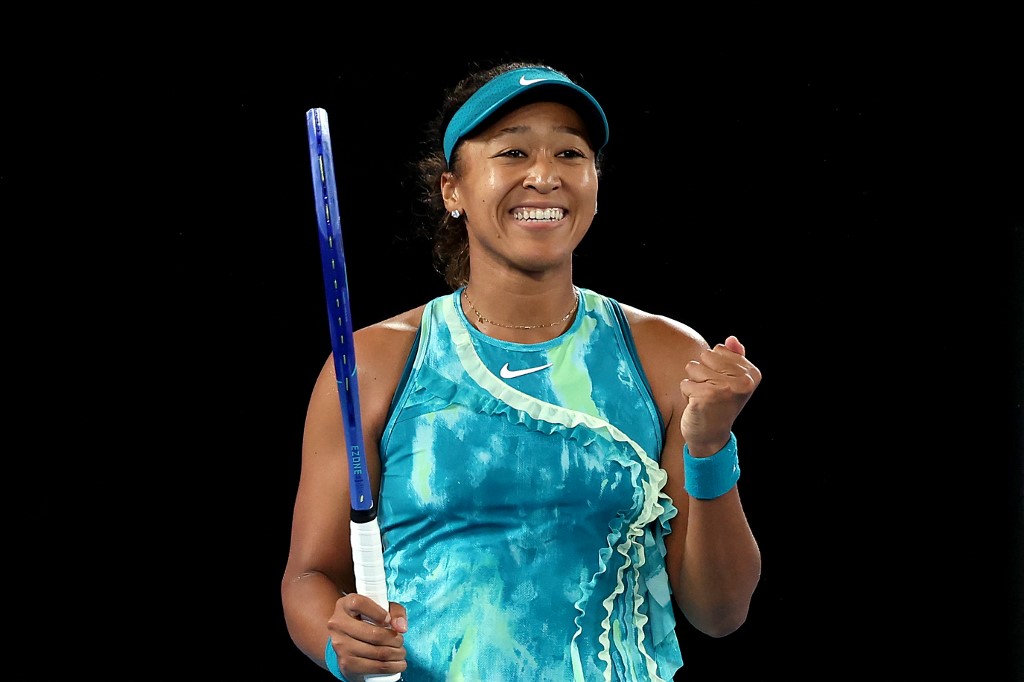
If you’ve ever tuned into a Grand Slam and noticed that two players on opposite sides of the net are wearing identical outfits, you’re not imagining things. Tennis fashion is one of the sport’s most layered, most debated, and most historically rich elements — shaped by Victorian etiquette, corporate sponsorship deals worth millions, player superstition, and evolving ideas about gender and identity. Here is the full story.
A History Written in White: Where It All Began
To understand tennis fashion today, you have to go back to Victorian England. Lawn tennis skyrocketed in popularity in Victorian-era England as a leisure sport — and a rare one that allowed women too. From the beginning, what you wore on court was as much a social signal as a sporting choice.
The rule that tennis players must wear all white started during the Victorian era with influence from cricket attire and lawn dresses, driven by a desire to keep players cool and minimize improper sweat stains. As one historian explained, “The white symbolizes purity and virtue, reflecting the self-perceptions of the class from which tennis derived most of its players.”
When the world’s first lawn tennis championship, Wimbledon, was launched on July 9, 1877, there was only one event — the men’s singles — when players wore full-length trousers and long-sleeved shirts. Women, who were permitted to compete beginning in 1884, wore full-length corsets and petticoats. Movement was secondary to modesty.
The first hints of rebellion came early. The first female player to wear a calf-length skirt was Charlotte “Lottie” Dod when she won the Wimbledon Ladies’ Singles title in 1887, aged only 15. Her opponents weren’t happy, as they felt she had an unfair advantage, as she could run more freely.
Then came the truly scandalous: Suzanne Lenglen, who was the center of another Wimbledon fashion scandal in 1919 when she wore a calf-length skirt, short sleeves and a floppy hat.
Despite the backlash from the press, which called her indecent, Lenglen went on to win the tournament. She also popularized the “Lenglen bandeau” — a tulle wrap around her head that became a defining look of the Roaring Twenties.
Wimbledon: The Last Bastion of All White
Of all the Grand Slams, Wimbledon remains uniquely strict. According to the official Wimbledon website, the dress code states that all players have to wear “suitable tennis attire that is almost entirely white,” which applies the moment players walk onto the court. It is strictly white, not including “off-white or cream.” The only acceptable form of color is a single trim no wider than one centimeter on any item of clothing worn.
Officials closely monitor attire, and players failing to meet the dress code are required to change before stepping onto the court. In some cases, players have faced penalties or delays in their matches due to violations.
The rule has caused some legendary confrontations. Andre Agassi refused to play at Wimbledon from 1988 to 1990 in part because the dress code prevented him from wearing the flashy clothing that was a large part of his personal brand at the time.
Even Roger Federer wasn’t immune — his now-infamous pair of orange-soled sneakers were banned after his first round in 2013, and the following year the rules tightened further on color accents.
One significant recent update came in 2023: women are now permitted to wear dark-colored undershorts, an update to the strict all-white attire. Coco Gauff said the change would “relieve a lot of stress” for women in the locker room.
British player Heather Watson revealed she had gone on the contraceptive pill to prevent menstruating during the tournament to avoid embarrassment under the old rules — a detail that underscored how the all-white dress code had real human costs.
The Other Three Grand Slams: Color, Freedom, and Flash
The Grand Slam events — the US Open, French Open, and Australian Open — support diverse color options, in stark contrast to Wimbledon’s strict white dress code.
This shift toward color was driven largely by television. Most of the Grand Slam tournaments dropped the all-white rules decades ago, likely in a bid to attract more television viewers and advertisers in an age of increased visibility for the sport.
As one curator put it, “Color is vital to draw the eye and especially for those sports companies to be able to advertise their logos and their colors.”
Tournaments such as the US Open embrace a more modern and expressive approach to tennis fashion. Bright colors, bold patterns, and creative designs are widely accepted, reflecting the sport’s growing openness to individuality.
Why Do Players Wear the Same Outfit for Every Match?
This is perhaps the most common question from casual viewers. Two words: sponsorship contracts.
Most sportswear companies launch four different lines per year — one for each Grand Slam. In each Grand Slam, brands establish a distribution area for players to try on and pick up their clothing for the event.
These clothing lines are designed and finalized up to fifteen months in advance. Once a player picks their look from the brand’s lookbook, they wear that same outfit for every round of the tournament. The logic is straightforward: the more fans see their favorite player wearing a certain look, the more likely they are to go out and buy it.
Beyond marketing, there’s a psychological dimension too. Many athletes are creatures of habit and are highly superstitious, meaning that switching up their outfits each match could feel disruptive to their preparation and focus.
A player already having their outfit predetermined and at the ready saves time. It also lessens the nerves a player may experience when deciding on match attire.
Why Do Two Opponents Sometimes Wear the Exact Same Outfit?
This happens more often than you’d expect, and it puzzles fans every time. The reason is that brands like Nike or Adidas sponsor multiple players and they are contractually obligated to wear the latest gear during tour events, even if they play against someone sponsored by the same brand.
A recent viral example: at the Madrid Open and Italian Open, Francisco Cerundolo and Jakub Mensik appeared in identical Adidas kits — not only the same outfit, but the same backward hats and yellow wristbands. If it weren’t for their tennis styles, it would have been almost impossible to tell them apart.
Only unique powerhouse names like the Williams sisters, Roger Federer, and Naomi Osaka are given unique fashion collections. Everyone else often gets the same seasonal kit.
How Colors Are Chosen — And Who Has a Say
For most players, the answer is: not much say at all.
In professional tennis, the vast majority of tennis players do not have a full choice of what they wear once they are under contract with a clothing brand. Tennis players are often sponsored by the same clothing brands — Nike, Adidas, Lacoste — and are required to wear the newest collection by their individual sponsors.
The only players who have direct input on the design of their clothing are the sport’s biggest stars. Brands like to highlight their most popular athletes by giving them unique clothes. Stars like Rafael Nadal, Naomi Osaka, and Serena Williams have had their own Nike lines and signature logos.
At the business level, players will choose the brand offering the highest payment during negotiations. For brands, they are looking to sponsor players who have the largest amount of eyeballs on them — the further the player reaches in a tournament and the higher they climb in the rankings, the more attention they get, making them more valuable.
The Designers, the Icons, and the Controversies
Some of the most memorable moments in tennis history happened off the baseline, in the wardrobe.
Ted Tinling is perhaps the most influential figure in tennis fashion history. He had been banned from Wimbledon for dressing player Gussie Moran in a pair of ruffled undershorts visible below a short dress in 1949.
Undeterred, he worked closely with the professional women’s tour and became the official designer for the Virginia Slims tour from 1971–1978, creating over 1,000 unique looks for players on tour. He made custom outfits for many top players, including the dress worn by Billie Jean King in her 1973 “Battle of the Sexes” victory.
Björn Borg was signed by Fila, and the pinstriped shirt they outfitted him with at Wimbledon has stood as one of the most iconic looks in the history of the sport.
More recently, Serena Williams has consistently pushed the sport’s fashion boundaries. In 2018, she wore a black ankle-length Nike catsuit at the French Open, saying it was a special compression design to help prevent blood clots — a health issue she had suffered. Tournament organizers later banned the look.
And then there’s Venus Williams, who in 2025 made headlines by wearing custom looks from brands including Khaite, ERL, Phillip Lim, and Emilio Pucci at the US Open — possible because she is no longer contracted to a sportswear brand and can therefore wear whatever she wants while competing.
Performance Comes First — Always
Beneath all the fashion politics, every outfit must actually help players perform. Modern tennis apparel is engineered to an extraordinary degree: moisture-wicking fabrics pull sweat away from the skin, UV-protective materials shield players in outdoor conditions, and compression garments support muscles during explosive lateral movements.
Today’s new breathable fabrics, with ergonomic designs and perspiration-absorbing properties, are versatile and practical, allowing free movement on the court. The days of corsets and flannel trousers are long gone — but the traditions, the deals, and the drama they left behind are very much still with us.
From Wimbledon’s immovable white dress code to the multi-million-dollar sponsorship deals that dress today’s champions, tennis fashion is far more than a sartorial sideshow. It’s a window into the sport’s soul — its history, its economics, its politics, and its stars.