

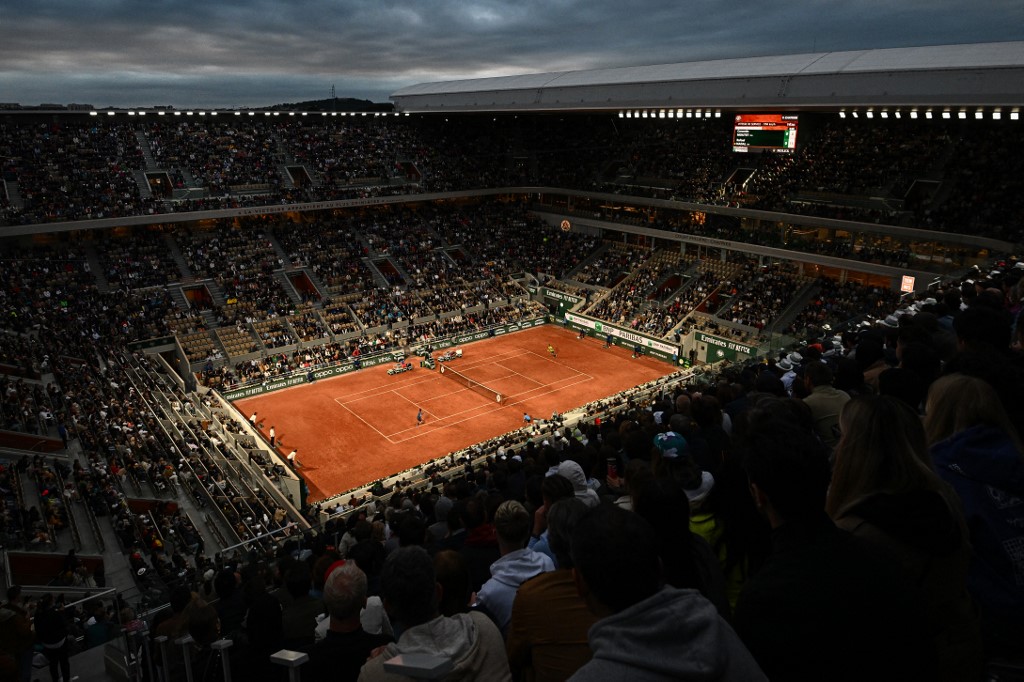
Roland Garros is one of the most watched sporting events in the world — two weeks of clay court tennis broadcast across dozens of countries, on multiple platforms, with scheduling that spans morning through late evening across the Paris time zone.
For fans outside France, following the French Open means navigating broadcast deals that vary by country, streaming platforms that have changed significantly in recent years, and a daily schedule whose specific match assignments are announced only the evening before.
This guide covers everything you need to know about how to watch Roland Garros — which broadcasters carry the tournament in the major markets, how the streaming options work, what the daily schedule looks like, and how night sessions have changed the viewing experience since their introduction.
Understanding Roland Garros Broadcast Rights
Roland Garros broadcast rights are sold on a territory-by-territory basis — meaning the specific platform or channel that carries the tournament legally varies by country. There is no single global broadcast partner that covers every market.
Fans in the United States watch on different platforms from fans in the United Kingdom, Australia, or Canada — and the specific deals that determine where to watch can change from year to year as rights agreements expire and are renegotiated.
This territory-specific rights structure is standard across major sports events but creates specific confusion for Roland Garros viewers because the tournament’s global profile means it attracts significant interest across dozens of markets simultaneously.
Understanding which platform carries the rights in your specific country is the essential first step — and because rights deals change, verifying the current broadcaster in your market before the tournament begins each year is worth doing rather than assuming last year’s arrangement still applies.
Where to Watch Roland Garros by Major Market
United States
Roland Garros coverage in the United States has been carried by NBC Sports and the Tennis Channel in recent years, with streaming available through Peacock — NBC’s streaming platform. The specific arrangement has distributed coverage across broadcast television for major matches and streaming for comprehensive coverage including qualifying and early-round matches on secondary courts.
The Tennis Channel has been the most consistent home for comprehensive Roland Garros coverage in the US market — providing extensive daily coverage including matches that NBC’s broadcast schedule does not accommodate. Peacock’s streaming integration has expanded the digital access available to US viewers who want to follow matches beyond what linear television scheduling provides.
Rights arrangements in the US market should be verified for the current year as the specific distribution between NBC, Tennis Channel, and streaming platforms has evolved across recent Roland Garros editions.
United Kingdom
Eurosport has been the primary Roland Garros broadcaster in the United Kingdom — carrying comprehensive coverage across the two-week tournament on its linear channels and through the Discovery Plus streaming platform that integrates Eurosport’s sports coverage.
ITV has also carried Roland Garros coverage in certain years — providing free-to-air access to selected matches for UK viewers who do not subscribe to Eurosport. The specific arrangement between paid and free-to-air coverage in the UK market has varied across recent editions of the tournament.
Australia
Nine Network and Stan Sport have carried Roland Garros coverage in Australia — with Stan Sport providing the most comprehensive streaming access for Australian viewers who want to follow the full tournament schedule rather than the selected matches that broadcast television accommodates.
The time zone difference between Paris and Australia makes Roland Garros one of the more challenging Grand Slams for Australian viewers to follow live — with the morning sessions in Paris corresponding to evening in Australia and the evening sessions falling in the early morning hours of the following Australian day.
France
In France — the tournament’s home market — Roland Garros is carried on France Télévisions for free-to-air coverage and Eurosport for comprehensive paid coverage. The French market receives the most extensive broadcast treatment of any territory — reflecting both the tournament’s national significance and the commercial value of the home market to the French Tennis Federation’s broadcast arrangements.
Streaming Roland Garros Without a Traditional Broadcast Subscription
The growth of streaming platforms has expanded the options available to fans who want to watch Roland Garros without a traditional cable or satellite television subscription — though the specific streaming options vary significantly by market.
The Roland Garros official website and app — available at rolandgarros.com — provides live streaming of multiple courts simultaneously for fans in markets where the official digital rights allow direct streaming access. The specific courts and matches available through the official platform vary by market depending on how the digital rights have been distributed alongside the linear broadcast rights.
In markets where comprehensive streaming is available, the official Roland Garros platform provides the most complete coverage option — including matches on smaller courts that broadcast television does not cover and statistical overlays that enhance the viewing experience beyond what linear broadcasts typically provide.
VPN access to broadcast platforms in other markets is technically possible but falls outside the terms of service of most streaming platforms and the legal framework of territorial rights arrangements. Fans seeking legitimate streaming access should focus on the officially licensed options in their specific market rather than attempting to access coverage through workarounds that violate rights agreements.
The Roland Garros Daily Schedule
The Roland Garros daily schedule follows a structure that distinguishes it from the other Grand Slams and reflects both the tournament’s specific competitive needs and the practical constraints of the Paris spring climate.
Day Sessions
The primary playing sessions at Roland Garros begin at 11:00 AM local Paris time — Central European Time during the French Open period. The day session typically runs through to approximately 8:00 PM or 9:00 PM Paris time, depending on the length of matches and the number of courts in use on a given day.
The day session schedule is released the evening before — typically around 6:00 PM Paris time — through the Roland Garros official website, app, and media distribution channels. The specific match order on each court — which match plays first, second, and third on each court — is announced simultaneously with the day’s schedule and determines approximately when each match will begin.
Because matches on clay last longer than on faster surfaces — the average Roland Garros match duration is among the highest of any Grand Slam — the day session schedule frequently runs later than its nominal end time, and matches starting in the afternoon can extend into the evening hours depending on the progress of earlier matches on the same court.
Night Sessions
Roland Garros introduced night sessions in 2021 — following the installation of the retractable roof on Court Philippe-Chatrier that made evening play logistically viable regardless of the Paris spring weather. Night sessions begin at 9:00 PM Paris time and typically feature one or two marquee matches on Court Philippe-Chatrier.
The introduction of night sessions was one of the most commercially significant scheduling changes in Roland Garros history — providing the tournament with a prime-time broadcast window that the Australian Open and US Open had long exploited but that Roland Garros could not access without weather protection for its main show court. Night session matches on Court Philippe-Chatrier are now among the most anticipated broadcast events of the French Open fortnight.
Night session ticket holders access the tournament separately from day session ticket holders — the transition between day and night sessions typically involves a brief interval during which the court is prepared and the audience changes. Night session matches are broadcast on the same platforms as day session coverage, with the specific broadcast arrangements for the later start time varying by market.
Court Structure: Where Matches Are Played
Understanding Roland Garros’s court structure helps viewers navigate the broadcast coverage — different courts receive different levels of broadcast attention, and knowing which courts host which matches at each stage of the tournament clarifies what coverage to seek.
Court Philippe-Chatrier — the main show court — hosts the most significant matches across the tournament, including all finals, most semifinals, selected quarterfinals, and the night session matches. Its capacity of approximately 15,000 spectators makes it the largest venue at Roland Garros and the court with the most comprehensive broadcast coverage.
Court Suzanne-Lenglen — the second show court — hosts significant matches including quarterfinals, some fourth-round matches, and selected earlier-round matches involving top-seeded players. Its distinctive setting within the Parisian botanical garden gives it one of the most visually recognizable environments in professional tennis.
Court Simonne-Mathieu — the third show court, built within the greenhouse structure of the adjacent botanical garden — hosts earlier-round matches and has become one of the most photographed venues in the sport since its opening in 2019.
The remaining courts at Roland Garros — numbered courts used for qualifying and early-round main draw matches — are available through the official streaming platform and provide the comprehensive coverage that fans following specific players throughout the tournament require.
How to Follow the Draw and Results
The Roland Garros draw — published approximately two days before the first round begins — is available through the official Roland Garros website and app, through the ATP and WTA official websites and apps, and through the major sports data platforms that provide real-time tennis results.
The ATP and WTA apps provide the most comprehensive real-time scoring and results service for Roland Garros — with live score updates, statistics, and draw tracking available through the tournament period. The official Roland Garros app provides additional tournament-specific content including player interviews, behind-the-scenes coverage, and scheduling information.
For fans in different time zones, the ATP and WTA live scoring apps are often the most practical way to follow Roland Garros matches that are played during unsociable local hours — providing real-time score updates without requiring live broadcast access across the full match duration.
What Makes Roland Garros Different to Watch
For viewers accustomed to watching tennis on hard courts — the surface that dominates the professional calendar and that most casual tennis fans encounter most frequently — watching Roland Garros requires adjusting expectations around the specific rhythms that clay court tennis produces.
Rallies at Roland Garros are longer than at any other Grand Slam. The ball sits up higher after the bounce, giving players more time to recover and producing extended baseline exchanges that fast hard courts or grass do not generate. Points that end quickly on other surfaces — through serve dominance or flat groundstroke winners — become sustained rallies on clay because the surface absorbs pace and extends the rally.
This extended rally structure makes Roland Garros matches simultaneously more physically demanding and more tactically legible to informed viewers — the patterns of how each point is constructed, the positioning adjustments that players make across long exchanges, and the specific tactical conversations between players on clay are more visible at Roland Garros’s pace than at the speed of hard court or grass court tennis.
The specific atmosphere of Court Philippe-Chatrier — the Parisian crowd, the spring weather, the red clay surface, and the cultural significance of the French Open in the host country — also creates a viewing experience that is distinctive among the four Grand Slams. Watching Roland Garros is watching tennis in its most historically embedded context — on a surface that has been the competitive environment for the sport’s clay court champions since the tournament moved to its current venue in 1928.
Key Dates and Planning Ahead
Roland Garros typically runs across two weeks in late May and early June — the specific dates varying year to year depending on the calendar but consistently falling in this window that marks the end of the clay court season and the transition toward the grass court swing that culminates at Wimbledon.
Qualifying takes place in the three to four days before the main draw begins — providing additional competitive content for fans who want to follow the full tournament from its earliest stages. The main draw begins on a Sunday or Monday and runs through to the men’s singles final on the following Sunday — with the women’s final, the doubles finals, and the mixed doubles final distributed across the final days of the tournament fortnight.
Planning to watch Roland Garros means identifying the broadcast platform in your market before the tournament begins, downloading the relevant apps for live scoring and scheduling, and familiarizing yourself with the Paris time zone difference that determines when specific matches will be played relative to your local time.
Part of the Roland Garros series. Related: The History of Roland Garros — How the French Open Was Founded · Roland Garros Records — Titles, Matches, and Statistics · Why Roland Garros Is the Hardest Grand Slam to Win