

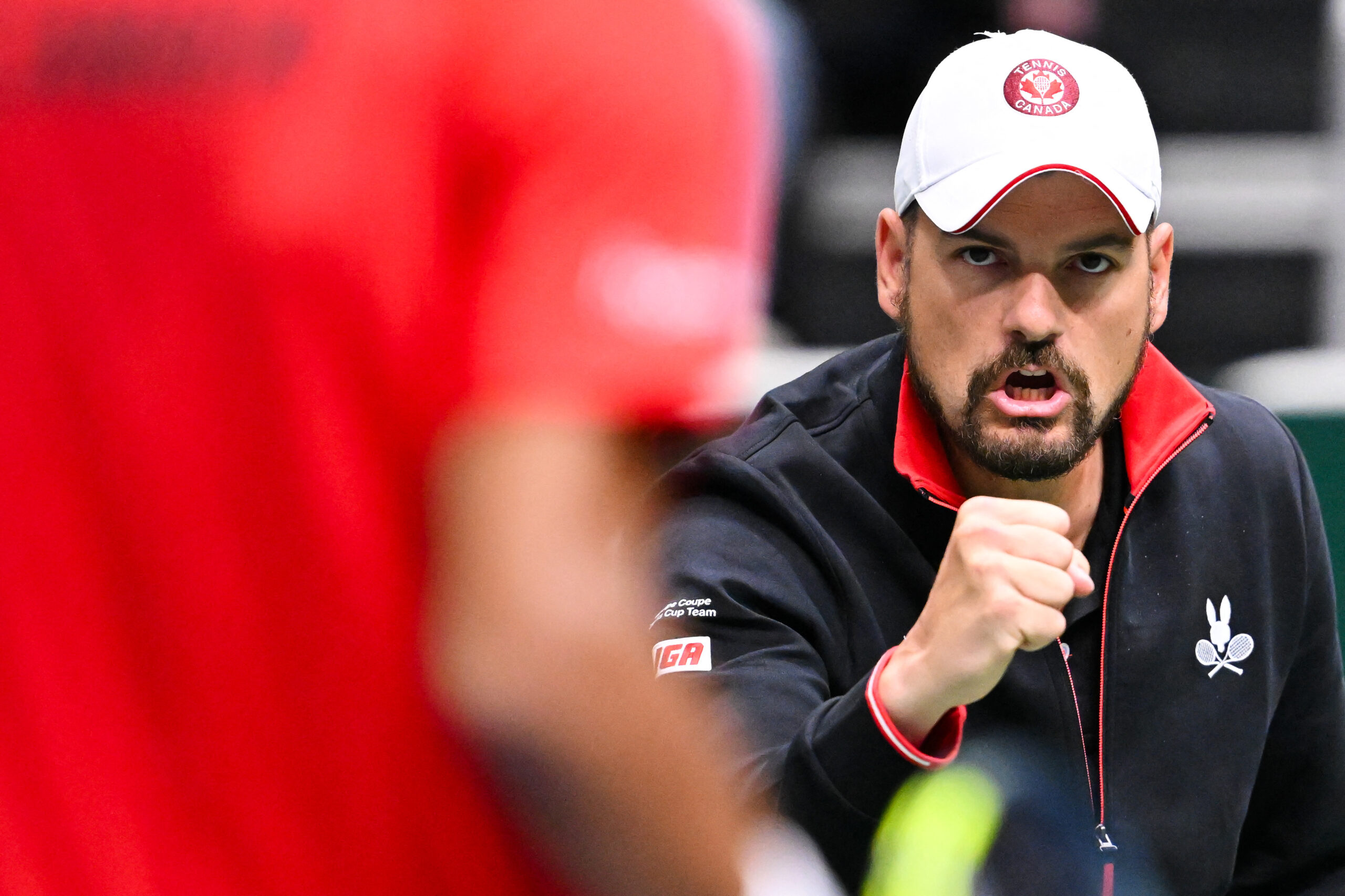
Eight captains take their teams to Bologna for the Davis Cup Final 8, which starts on 24 November. For David Ferrer it is the last tie as Spain’s captain; Marc Lopez, his assistant, takes over on 1 January 2027. In the Davis Cup the captain names the squad, chooses who plays each match and is the one person allowed to sit beside the players and coach them during points. These are the rules that govern the job, from the 2026 Davis Cup Regulations, with the Billie Jean King Cup differences at the end.
Who can be captain
A captain has to pass the same eligibility test as a player. He must be a citizen of the nation, hold its passport and have held it for at least two years in the past five, with a residence route for the few cases where a passport is not available. He must not have represented another nation in the Davis Cup or the Olympic tennis event, and being nominated as another nation’s captain counts as representing it. He must also be in good standing with his national association. The wider rules on switching countries are in how tennis players change nationality.
There is no formal coaching requirement, but the regulations say it is “strongly recommended” that captains hold a coaching qualification recognised by their national association. The ITF can refuse any nation’s nomination of a player or captain.
The captain can also play. A team is either a playing captain and three or four players, or a non-playing captain and four or five players.
Naming the team
For the Finals, nominations close 28 days before the Monday of the event week. After that, a nation can change up to three nominated players until 11 a.m. local time on the day before play starts. A non-playing captain can be changed at any time before the nation’s first match. The deadlines for every stage of the competition are set out in Davis Cup team nomination rules explained.
Picking the players for each match
The captain may choose any nominated player for singles, doubles or both. At the Finals, each tie is played in one day: the No. 2 players meet first, then the No. 1 players, then the doubles. The captain must give the referee the names of the two singles players, in order of merit, no later than one hour before the tie’s scheduled start.
Once that deadline has passed, the singles choices are fixed, apart from replacements allowed for illness, injury or a disciplinary withdrawal. The doubles pairing stays open longer. At the Finals the captain can change it up to 15 minutes after the second singles ends, or 10 minutes if the break has been cut to 20. In two-day ties, such as the Qualifiers, the deadline is at least one hour before the doubles is due on court. Whether a decided tie still plays its doubles is covered in dead rubbers explained.
What the captain can say from the chair
The regulations fix the captain’s place: “The Captain will sit on the court beside the chair of his team. He may not move away from that area. He may talk to his team, to the Chair Umpire and to the Referee. He may not talk to any Line Umpires.”
Coaching is allowed between points, within limits set by the Davis Cup Code of Conduct:
- When the player is at the captain’s end, the captain may talk or signal between points.
- When the player is at the far end, only visual coaching is allowed: subtle hand signals or gestures.
- Spoken coaching must be a few words or short phrases.
- No extra time is allowed for coaching, and any delay is penalised as a time violation.
- The rest of the team bench may coach only at changes of ends and set breaks, never between points.
A breach can cost the player a fine of up to $10,000 and, during a match, a penalty under the point penalty schedule. On the tours, coaching runs under different rules, set out in tennis coaching rules explained.
If the captain cannot carry on, only one of the nation’s nominated players can take the chair. A travelling coach who is not a nominated player cannot replace him.
When a captain is penalised or removed
The referee can give a captain a formal warning. On or after a second warning, the referee can remove him for the match, or for the rest of the tie or event, and he can be replaced only by a nominated player. For a single serious incident the referee can remove him without a warning. The referee can also revoke a captain’s accreditation, remove him from the venue and recommend that the ITF’s Independent Adjudication Panel bar him from future ties.
The Code of Conduct also sets fines for captains: up to $5,000 for missing a team selection deadline or not being ready when the match is called, and up to $6,000 for leaving the court without the umpire’s permission. Code violations by the team are penalised in steps, a warning, then a point, then a game, after which the referee decides whether each further offence means a default. How a default works is explained in what happens when a player gets defaulted.
Billie Jean King Cup: the differences
The Billie Jean King Cup uses almost the same captain rules: the same eligibility test, the same place beside the team’s chair, the same coaching limits and the same rule that only a nominated player can replace the captain. The deadlines differ:
- Finals nominations: eight weeks before the Monday of the event week (Davis Cup: 28 days).
- Finals changes: up to four nominated players, until 11 a.m. the day before play (Davis Cup: three).
- Play-off changes: up to three nominated players, until one hour before the tie draw.
- Finals doubles change: no later than 10 minutes after the preceding singles (Davis Cup: 15).
- Play-off doubles change: at least one hour before the doubles is due on court, the same as the Davis Cup’s two-day ties.
The two-day format the captains work within at the play-offs is set out in Billie Jean King Cup play-offs explained.
Season Snapshot — 13 November 2026
Captains at the 2026 Davis Cup Final 8 in Bologna:
- Czechia v Canada (Tuesday, 24 November): Tomas Berdych and Frank Dancevic
- Italy v Korea (Wednesday, 25 November): Filippo Volandri and Chung Jong-Sam
- Great Britain v Germany (Thursday, 26 November): Leon Smith and Michael Kohlmann
- Austria v Spain (Thursday, 26 November): Jurgen Melzer and David Ferrer
- Ferrer is stepping down after Bologna. Lopez, his assistant since the 2025 Qualifiers, is appointed from 1 January 2027 to the end of 2029 and remains Ferrer’s assistant at the Final 8.
- Canada has already used two of its three changes; squad changes are tracked on our Davis Cup Final 8 withdrawals page.
- The Billie Jean King Cup Play-offs are from 20 to 22 November; the U.S. and Canadian teams are in our play-offs preview.
This snapshot is dated and will change. The career record above does not.