

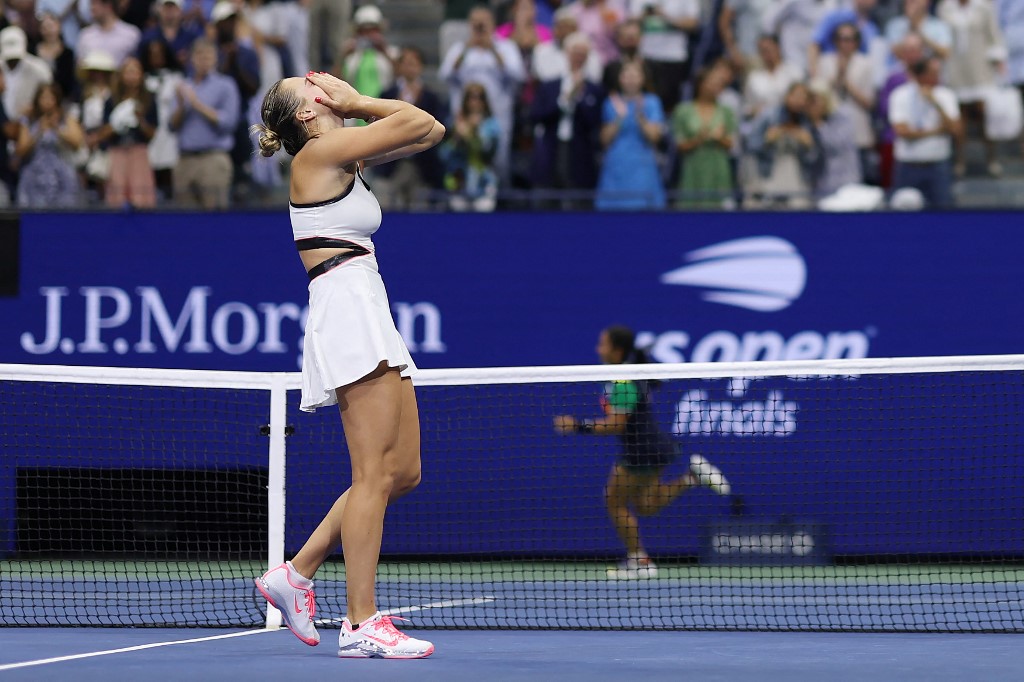
The four Grand Slam tournaments represent the highest level of achievement in professional tennis. Held annually in Australia, France, the United Kingdom and the United States, the majors award 2,000 ranking points to singles champions and define the structure of the global tennis calendar.
The Grand Slams are:
- Australian Open
- Roland Garros (French Open)
- Wimbledon
- US Open
Each event features a 128-player singles draw, best-of-five sets in men’s singles, and the largest prize pools in the sport.
What Makes a Tournament a Grand Slam
Grand Slams differ from other tournaments on the ATP and WTA tours in several key ways:
- 2,000 ranking points awarded to singles champions
- 128-player singles draws
- Best-of-five sets in men’s singles
- Independent governance by national tennis federations
- A schedule of roughly two weeks, with several majors now running 15 days
They are not operated by the ATP or WTA. Each major is run by its national federation — Tennis Australia, the Fédération Française de Tennis, the All England Lawn Tennis Club and the United States Tennis Association — in partnership with the tours and under the umbrella of the International Tennis Federation.
Grand Slam, or a Grand Slam
The phrase carries two meanings, and they are used interchangeably often enough that the distinction is worth setting out plainly.
In everyday usage, “a Grand Slam” means one of the four major tournaments. A player who wins Wimbledon has won a Grand Slam.
In its original and stricter sense, “the Grand Slam” means winning all four majors in a single calendar year. That is a far rarer thing, and several related terms describe partial or extended versions of it.
Calendar-Year Grand Slam
All four majors won in the same year. Only five players have done it in singles: Don Budge in 1938, Maureen Connolly in 1953, Rod Laver in 1962 and again in 1969, Margaret Court in 1970, and Steffi Graf in 1988. Laver is the only player to have completed it twice.
Career Grand Slam
Winning all four majors at some point across a career, not necessarily in the same season. Nine men and ten women have completed it in singles. It is the achievement most modern greats are measured against, and it is the reason the fourth major a player is missing carries a weight the others do not. See Career Slam Explained for the full list and the near-misses.
Golden Slam
All four majors plus Olympic singles gold in the same calendar year. Steffi Graf is the only singles player in history to have done it, in 1988, the year tennis returned to the Olympic programme. A Career Golden Slam spreads the same five titles across a career rather than a single season.
Channel Slam
Roland Garros and Wimbledon in the same year — the clay-to-grass double, named for the stretch of water between Paris and London. It is a short calendar window and a hard surface transition, which is why the list of players who have managed it is so small. See Channel Slam Explained.
Maiden Slam
A player’s first major title. The term carries no structural meaning in the rankings, but it marks the line every professional is trying to cross. See Maiden Slam Explained.
Non-Calendar-Year Slam
Holding all four major titles simultaneously, but across two seasons rather than one. It is a genuine and rare achievement, and it is not the Grand Slam in the strict sense — a distinction that has produced a good deal of argument.
The Four Grand Slams
Australian Open
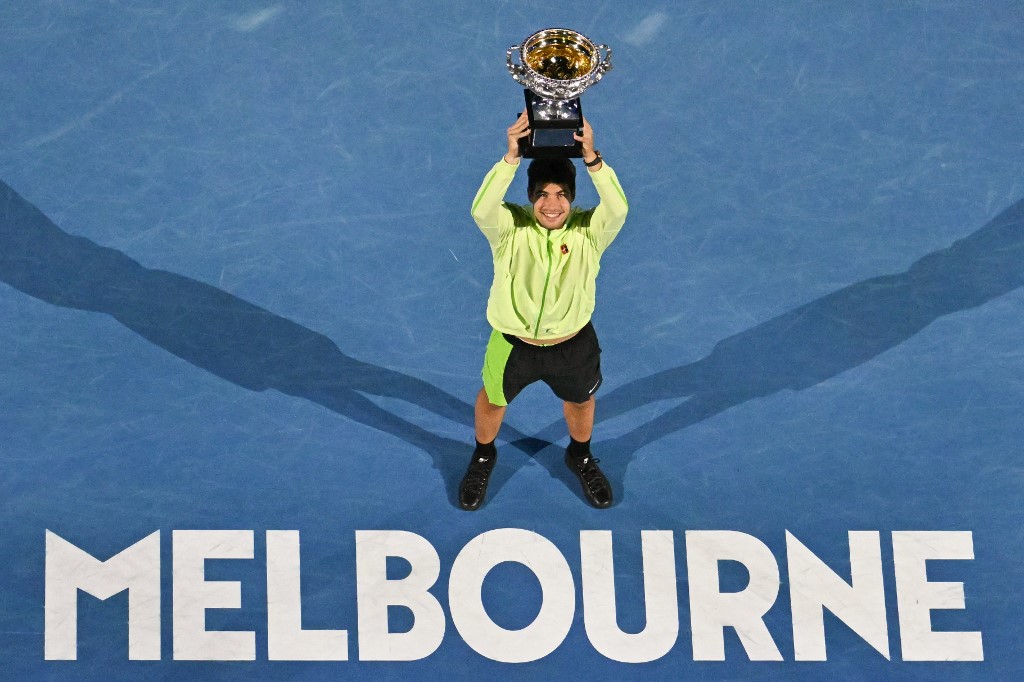
Location: Melbourne
Surface: Hard court
Calendar position: January
The season’s opening major, and the only one played in the Southern Hemisphere summer. See our full Australian Open Guide for format and structure details.
Roland Garros
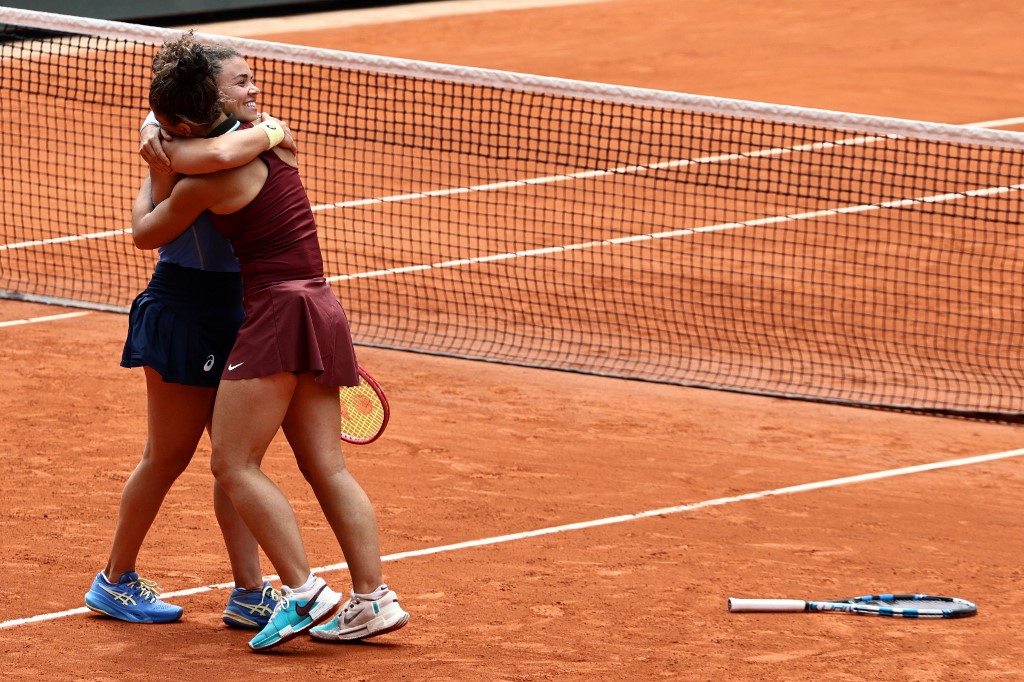
Location: Paris
Surface: Clay
Calendar position: May–June
The only major played on clay, and the most physically demanding of the four. See our full Roland Garros Guide for clay-court structure and format.
Wimbledon
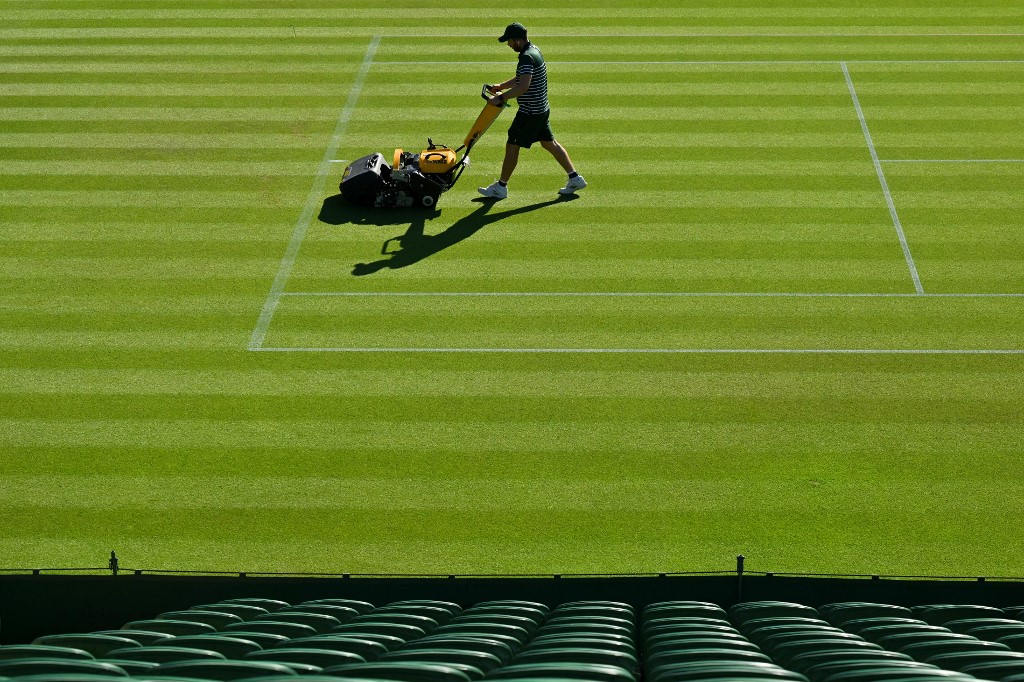
Location: London
Surface: Grass
Calendar position: June–July
The oldest tennis tournament in the world, first held in 1877, and the only major still played on grass. See our full Wimbledon Guide for grass-court structure and traditions, and Grass Courts Explained for how the surface behaves.
US Open
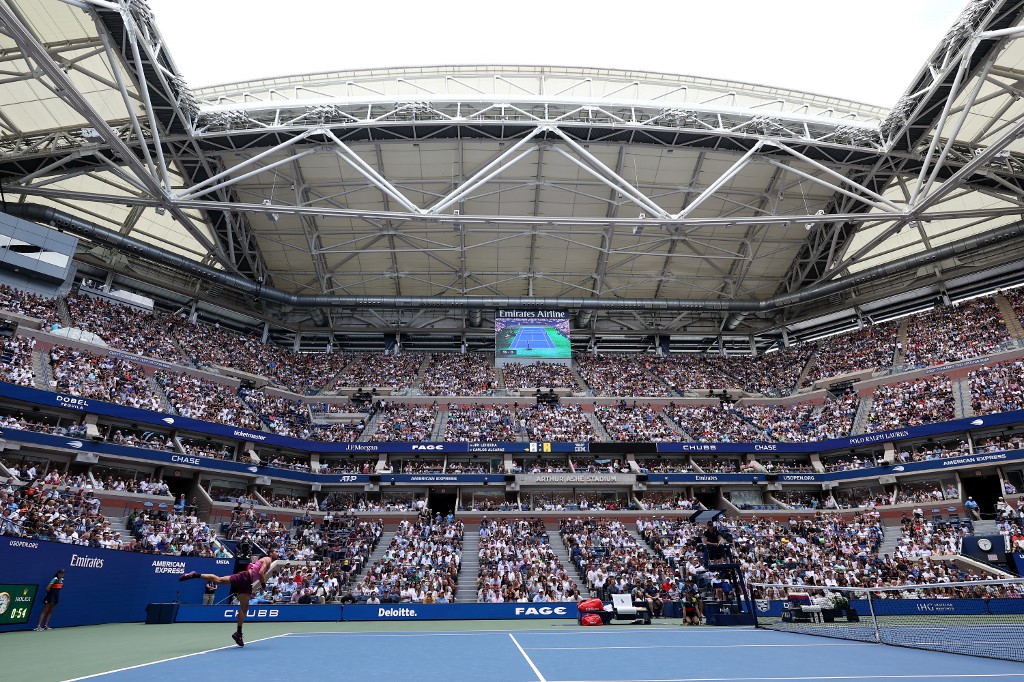
Location: New York
Surface: Hard court
Calendar position: August–September
The season’s final major, and the loudest. See our full US Open Guide for format and scheduling details.
Ranking Points at Grand Slams
All four majors award the same points as one another, and both tours award 2,000 points to singles champions. Below the final, the ATP and WTA distributions differ.
| Round | ATP | WTA |
|---|---|---|
| Champion | 2,000 | 2,000 |
| Finalist | 1,300 | 1,300 |
| Semifinalist | 800 | 780 |
| Quarterfinalist | 400 | 430 |
| Fourth round | 200 | 240 |
| Third round | 100 | 130 |
| Second round | 50 | 70 |
| First round | 10 | 10 |
These points sit inside the rolling 52-week ranking systems used by both tours, which means a major title has to be defended a year later or the points come off. That mechanic is what makes the majors decisive: no other event on the calendar can move a ranking as far in a fortnight.
For the full mechanics, see The ATP Rankings System, What It Takes to Reach World Number One and How the ATP Race Works.
How Surfaces Shape the Season
Three surfaces, four majors. The distribution is not even, and it shapes careers.
- Hard courts — medium pace, true bounce, balanced between offence and defence. Two of the four majors are played on them.
- Clay — slower, higher bounce, longer rallies, and a premium on movement and construction of the point.
- Grass — faster, lower bounce, shorter points, and a heavy reward for the serve.
The clay and grass majors sit roughly three weeks apart, which is the tightest surface transition in the sport and the reason the Channel Slam is so rarely completed. A player’s ability to adapt across all three is the single clearest separator between very good careers and historically great ones.
Frequently Asked Questions
How many Grand Slams are there?
Four: the Australian Open, Roland Garros, Wimbledon and the US Open. All four are played every year.
Do men and women earn the same ranking points?
Champions in both singles draws receive 2,000 points. Below the final the distributions diverge slightly — the WTA awards more for a quarterfinal or fourth round, the ATP more for a semifinal.
Are the Grand Slams run by the ATP and WTA?
No. Each major is organised by its national federation, in partnership with the tours and under the ITF. That independence is why the majors set their own rules on scheduling, curfews, prize money and technology.
Which is the oldest Grand Slam?
Wimbledon, first held in 1877. The US Open followed in 1881, Roland Garros in 1891 and the Australian Open in 1905.
What is the difference between a Grand Slam and the Grand Slam?
“A Grand Slam” means any one of the four majors. “The Grand Slam” means all four in the same calendar year — achieved by only five players in singles.
Why are the majors best-of-five for men?
Best-of-five sets in men’s singles is a tradition retained only at the four majors and, historically, in team competition. It is a deliberate endurance test, and it is the main reason major results diverge from tour-level results.