

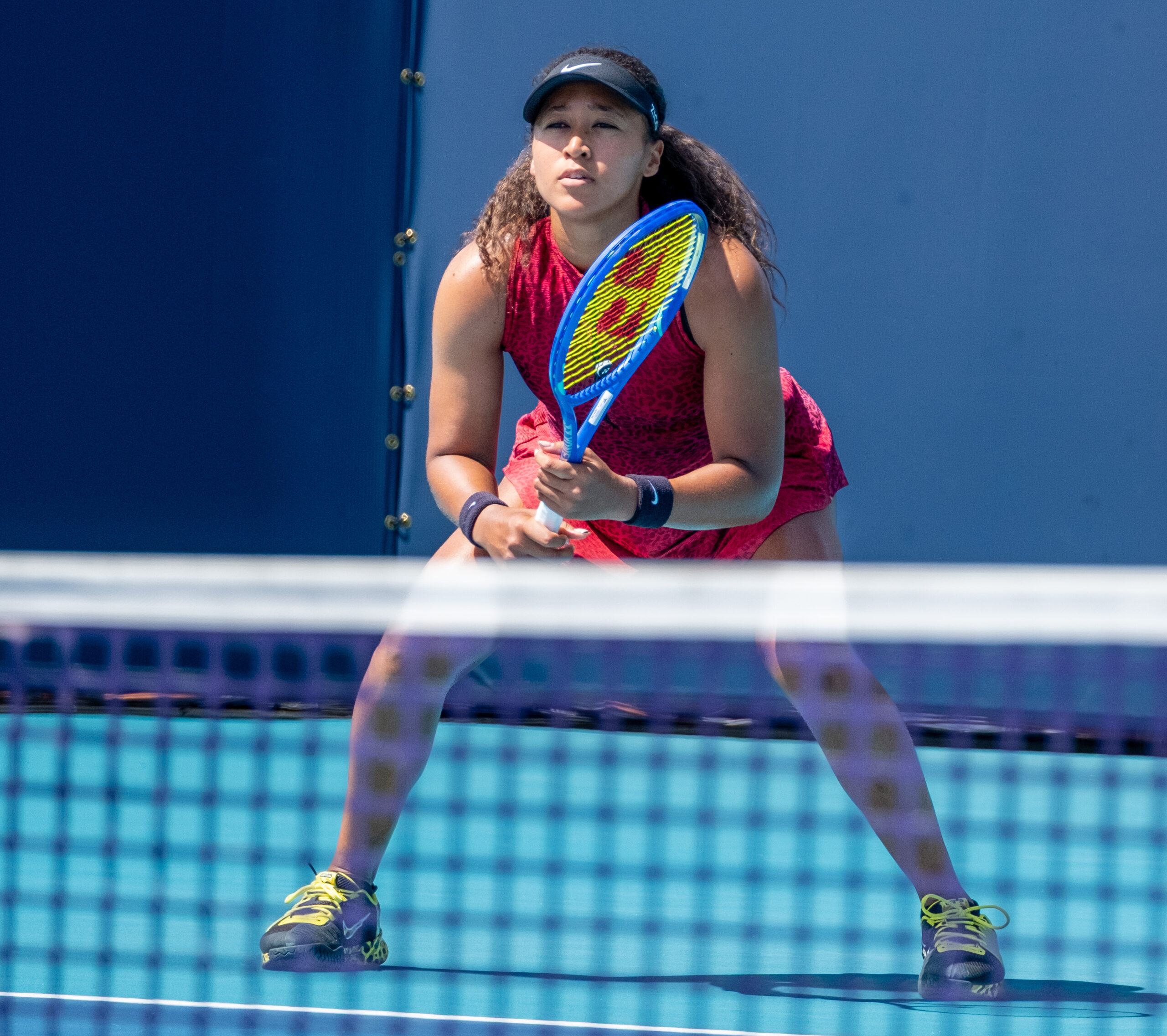
Naomi Osaka has spent eight years being told what she means to tennis. On Sunday, sitting in front of reporters at the Mubadala DC Open, she offered a quietly startling correction: she never asked for any of it. “I actually don’t really want to be famous,” Osaka said during media day at Rock Creek Park, adding that she is content with exactly where she is.
It is not a throwaway line. It arrives at the precise moment Osaka’s public profile has expanded past the sport that created it — and at the start of the six-week stretch that will define whether her comeback is a nostalgia act or a genuine return to the top of the women’s game.
The peak that kept moving
Osaka reached for a specific memory to explain how strange the last decade has felt. When she won Indian Wells in March 2018 — her first WTA title, a straight-sets win over Daria Kasatkina — she assumed she had arrived at the summit. The prize money meant her mother, who had been working constantly, could stop.
“I felt like that was peak,” she said. Then came the US Open. Then a second, and a third, and a fourth major. Then the world No. 1 ranking, the endorsement portfolio, the magazine covers, the activism, the withdrawal, the motherhood, the return. Every time the ground appeared to level out, Osaka said, something else happened.
That is a familiar arc for a generational athlete. What is unusual is Osaka’s refusal to describe it as ambition fulfilled. She has never considered herself famous, she told reporters — which is either the most grounded thing a four-time Grand Slam champion has said this year, or a reminder of how completely the machinery around a star can operate without their consent.
When the clothes started talking
The second half of Osaka’s answer was the more revealing one. Across all three Grand Slams in 2026, her walk-on outfits have generated more coverage than several players’ results. She has become, by her own account, better known to the fashion world than to tennis fans — people know her now for the fashion, she said, more than the tennis.
For most athletes that would be a complaint. Osaka framed it as an unexpected trade. She has always described herself as an introvert; the outfits, she noted with some irony, have forced her to speak far more often, and about subjects she is not remotely an expert in. The clothes did what a decade of press conferences could not — they pulled her into conversations, and rooms, she would otherwise never have entered.
It is a genuinely novel account of athlete celebrity. The standard version is that fame is the tax you pay on performance. Osaka is describing something closer to the reverse: a deliberate aesthetic project that functions as a social prosthetic, letting a reticent person participate in her own stardom on terms she sets.
Not everyone is buying it
That reading has its sceptics inside the locker room. Anastasia Pavlyuchenkova, speaking to TennisBolshe earlier this month, was unpersuaded — arguing that a player who walks out in such outfits cannot then claim to want no attention.
It is a fair challenge, and it exposes the tension Osaka is trying to hold. She is simultaneously the most visually conspicuous player on tour and the one insisting she would rather not be looked at. Both things can be true — visibility and celebrity are not the same currency — but the distinction is a fine one, and it will keep being tested every time she walks onto a stadium court in something the internet cannot ignore.
The part that actually decides her year
Underneath the wardrobe conversation sits a harder set of numbers. Osaka arrives in Washington ranked No. 13, on the back of the strongest major of her comeback: a first career Wimbledon quarter-final, and one she left disappointed by, believing a deeper run had been available. That result confirmed she can still live in the second week of a Slam. It did not resolve whether she can do it consistently.
She currently sits outside the WTA Finals qualification zone — alongside Iga Swiatek, Victoria Mboko and Marta Kostyuk — with Washington, Toronto, Cincinnati and the US Open ahead. It is the densest stretch of the calendar, and Osaka enters it carrying the most difficult burden in tennis: expectation that has been reset upward by a single good fortnight.
The comeback has already outlasted the sceptics. The Wimbledon run made it credible. What happens over the next six weeks on North American hard courts — the surface on which she won all four of her majors — determines whether 2026 is remembered as the year Osaka got competitive again, or the year she got interesting again.
She would presumably prefer the former. The rest of the world, judging by the traffic her outfits generate, seems to have already chosen.