

The Professional Tennis Players Association (PTPA) is an independent advocacy organization for men’s and women’s professional tennis players. It is not a labor union in the legal sense — tennis players are independent contractors, not employees of the ATP or WTA — but it functions in a similar role: representing player interests on issues like prize money distribution, scheduling, health and safety, and player input into tour decision-making.
Unlike the ATP Player Council or the WTA Players’ Council, which operate inside the tours’ existing governance structures, the PTPA positions itself as fully independent of the ATP, WTA, ITF, and the Grand Slams — answerable only to its player members.
Why It Was Founded
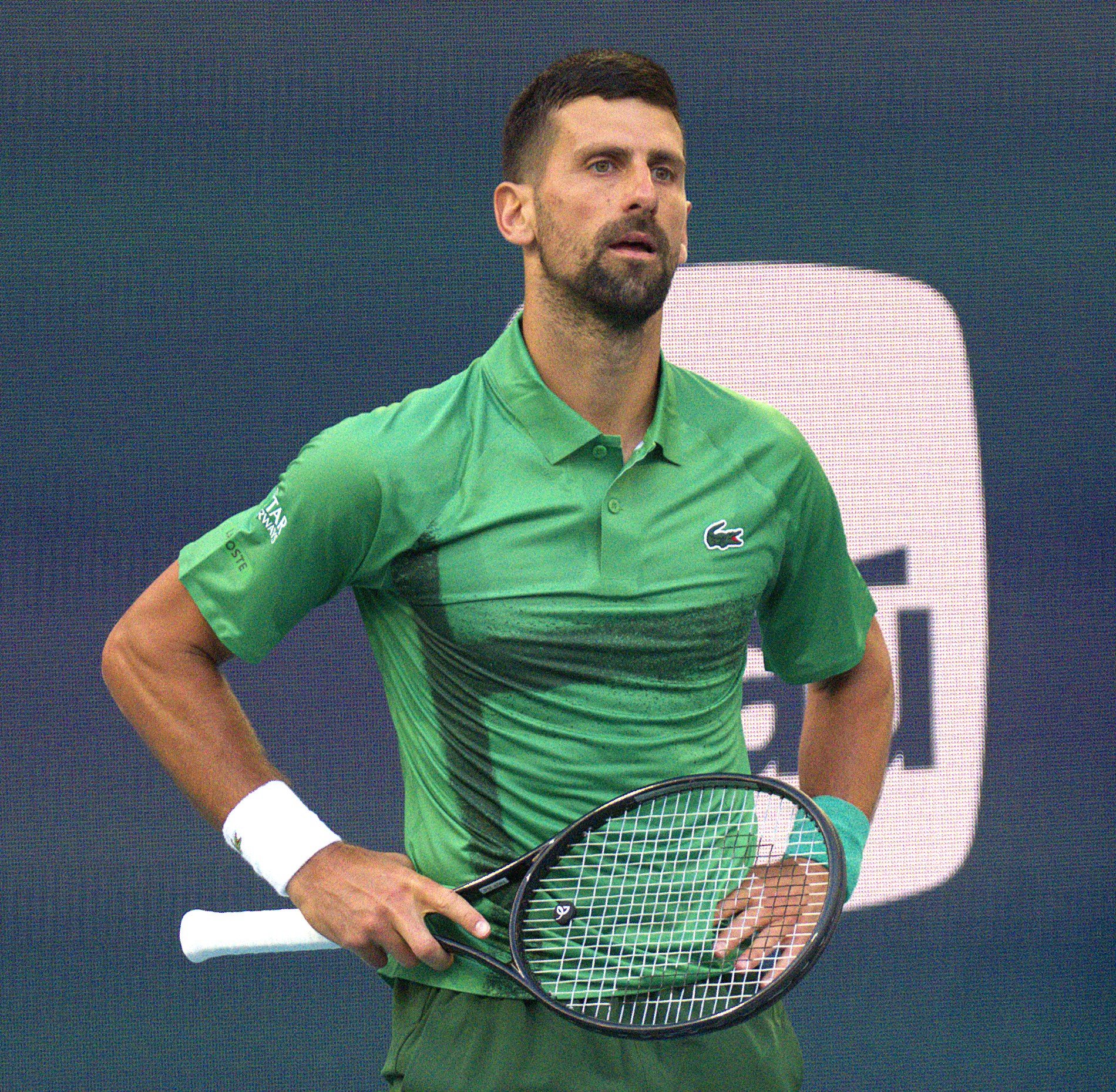
The PTPA traces back to 2019, when Novak Djokovic and Vasek Pospisil, then both serving on the ATP Player Council, concluded that the council structure gave players little real influence over tour decisions. The two began organizing support through 2020 and formally incorporated the PTPA as a not-for-profit in Canada in 2021.
The founding argument was structural: the ATP represents both players and tournaments simultaneously, which the PTPA’s founders argued creates an inherent conflict of interest whenever player and tournament interests diverge — on issues like prize money share, calendar length, or ranking-point penalties for missed events.
How It’s Structured
Membership is open to singles players ranked in the top 500 and doubles players in the top 200 on the ATP and WTA rankings, with no dues required. Because membership is opt-in and undisclosed, exact participation numbers are difficult to verify independently — reported figures have varied by source and by year.
Governance runs through a Player Executive Committee, supplemented by a non-voting Board of Champions made up of retired players who provide strategic input without formal voting power. Day-to-day operations are run by paid staff, historically funded in significant part through the PTPA’s commercial arm, Winners Alliance, which pursues group licensing and sponsorship deals on players’ behalf.
In 2024, the PTPA joined the World Players Association, a global federation of players’ associations across professional sports including the NFLPA, NBPA, and MLBPA — a move the PTPA has cited as recognition of its status as the sport’s independent player representative body.
What It Does
Beyond advocacy and lobbying, the PTPA runs several direct player-support programs:
- The Athlete Counsel & Equity (ACE) Program, launched in 2025, guarantees legal defense for players facing anti-doping allegations regardless of their income level.
- PTPA MedNet, a medical support initiative offering independent, data-driven health resources for players.
- Group licensing deals, including a trading-card partnership with Fanatics, intended to create new revenue streams for players collectively rather than individually.
The Antitrust Lawsuit
The PTPA’s most consequential action to date is a federal antitrust lawsuit filed in March 2025 against the ATP, WTA, ITF, and ITIA, later expanded to name all four Grand Slam tournaments as co-defendants. The roughly 163-page complaint, filed simultaneously in New York, London, and Brussels, alleges the governing bodies operate as a “cartel” that suppresses player earnings, restricts competing tournaments, and subjects players to excessive testing and disciplinary control.
The tours have rejected the claims. The ATP has called the case “entirely without merit,” while the WTA described the litigation as “regrettable and misguided.” Named individual plaintiffs alongside the PTPA include players such as Nick Kyrgios, Sorana Cîrstea, Reilly Opelka, and Zheng Saisai.
Where the PTPA Sits in Tennis Governance
The PTPA does not seek to replace the ATP or WTA, according to its own stated position — it describes itself as an additional, independent layer of representation. Tour leadership has pushed back on that framing; ATP chairman Andrea Gaudenzi has argued publicly that players already have “a seat at the boardroom table” through the existing player council structure, and some players themselves — including top-50 competitors on the ATP council — have publicly questioned whether the PTPA does more to divide the player body than unify it.
Djokovic, despite co-founding the organization, has since distanced himself from its day-to-day direction, citing disagreement with the path it has taken, while stopping short of ruling out a future return to a leadership role.
Frequently Asked Questions
Is the PTPA a union?
No. Tennis players are independent contractors, so the PTPA cannot bargain collectively in the way a traditional labor union does. It functions as an advocacy and services organization instead.
Do players have to pay to join the PTPA?
No. Membership is opt-in and free for eligible players — top 500 in singles, top 200 in doubles.
Is the PTPA suing the Grand Slams?
Yes. All four Grand Slam tournaments were added as defendants to the PTPA’s antitrust lawsuit, alongside the ATP, WTA, ITF, and ITIA.
Does the PTPA replace the ATP or WTA Player Councils?
No. It operates alongside them as an independent body; players can participate in both.