

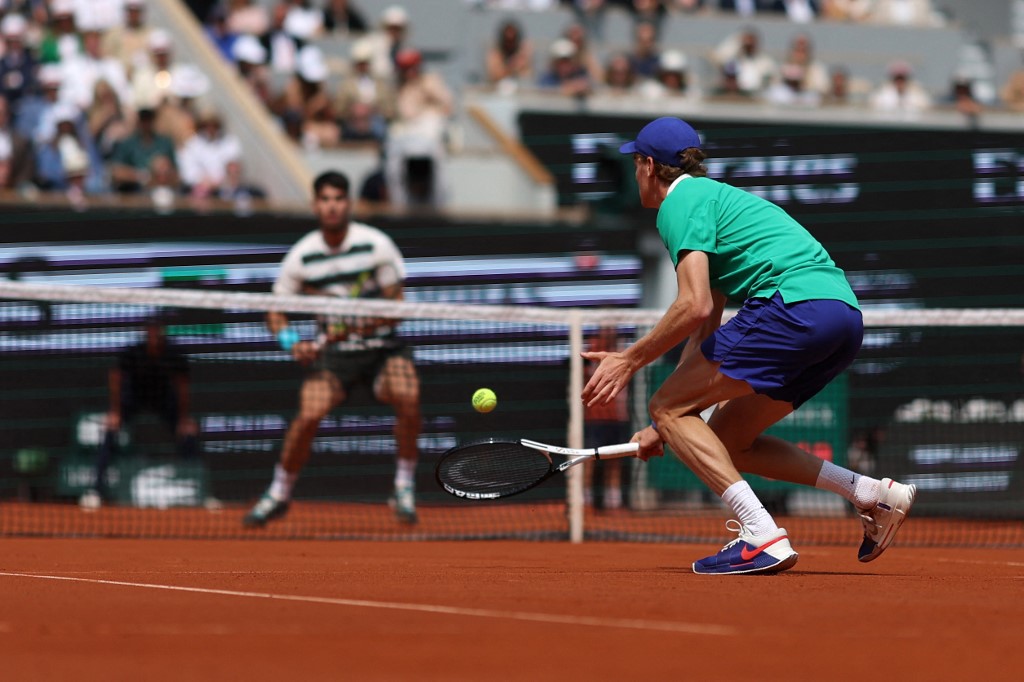
Roland Garros, commonly known as the French Open, is the second Grand Slam tournament of the calendar year after the Australian Open and the premier event on clay. Held each spring in Paris, it tests endurance, movement and tactical patience more than any other major on the professional tennis calendar.
Founded in 1891 and part of the Open Era since 1968, Roland Garros is defined by its red clay surface and physically demanding style of play. This guide explains how the tournament is structured, how the draws work, how ranking points are awarded and what makes the French Open unique among the four majors.
Where It Is Played
Venue: Stade Roland Garros
City: Paris, France
Surface: Outdoor red clay
Main stadium: Court Philippe-Chatrier
Clay courts slow the ball and produce higher bounces, leading to longer rallies and greater emphasis on defensive skill and point construction.
Tournament Format
Main Draw Size
- 128-player singles draw (men and women)
- 64-team doubles draw
- Mixed doubles event
- Junior and wheelchair competitions
Match Format
- Men’s singles: Best of five sets
- Women’s singles: Best of three sets
- Final-set tiebreak: First to 10 points at 6–6 in the deciding set
How the Draw Works
Roland Garros features 128 players in singles, including 32 seeds.
- Seeds are distributed to prevent early-round meetings
- The top two seeds cannot meet before the final
- Seeds 1–4 cannot meet before the semifinals
- Unseeded players are placed randomly
- Qualifiers earn entry through a three-round qualifying event
The clay season leading into Paris often reshuffles seedings due to ranking movement in spring tournaments.
Ranking Points Distribution (Singles)
As a Grand Slam, Roland Garros awards the maximum ranking points.
- Champion: 2,000 points
- Finalist: 1,300 points
- Semifinalist: 800 points
- Quarterfinalist: 400 points
- Fourth Round: 200 points
Points count within the 52-week ATP and WTA ranking systems.
Prize Money
Prize money is distributed across all rounds, including qualifying and early-round exits. The total purse varies each year and is announced before the tournament begins.
Scheduling Structure
- Two-week main draw
- Late May through early June
- Day sessions primarily, with limited night scheduling in recent editions
Weather interruptions and clay court conditions can influence scheduling more than at hard-court events.
What Makes Roland Garros Unique
- Only Grand Slam played on clay
- Long rallies and physical matches
- Emphasis on topspin and defensive movement
- Slower court speed compared to other majors
Clay specialists often emerge as contenders, while power-based players may struggle to shorten points.
How It Compares to Other Grand Slams
| Tournament | Surface | Typical Pace |
|---|---|---|
| Australian Open | Hard | Medium |
| Roland Garros | Clay | Slow |
| Wimbledon | Grass | Fast |
| US Open | Hard | Medium-Fast |
Surface diversity across the four majors shapes career legacies and historical comparisons.
Frequently Asked Questions
When is Roland Garros played?
Typically late May through early June.
How many players are seeded?
32 in singles.
How many ranking points does the champion receive?
2,000 points.
What surface is used?
Outdoor red clay at Stade Roland Garros