

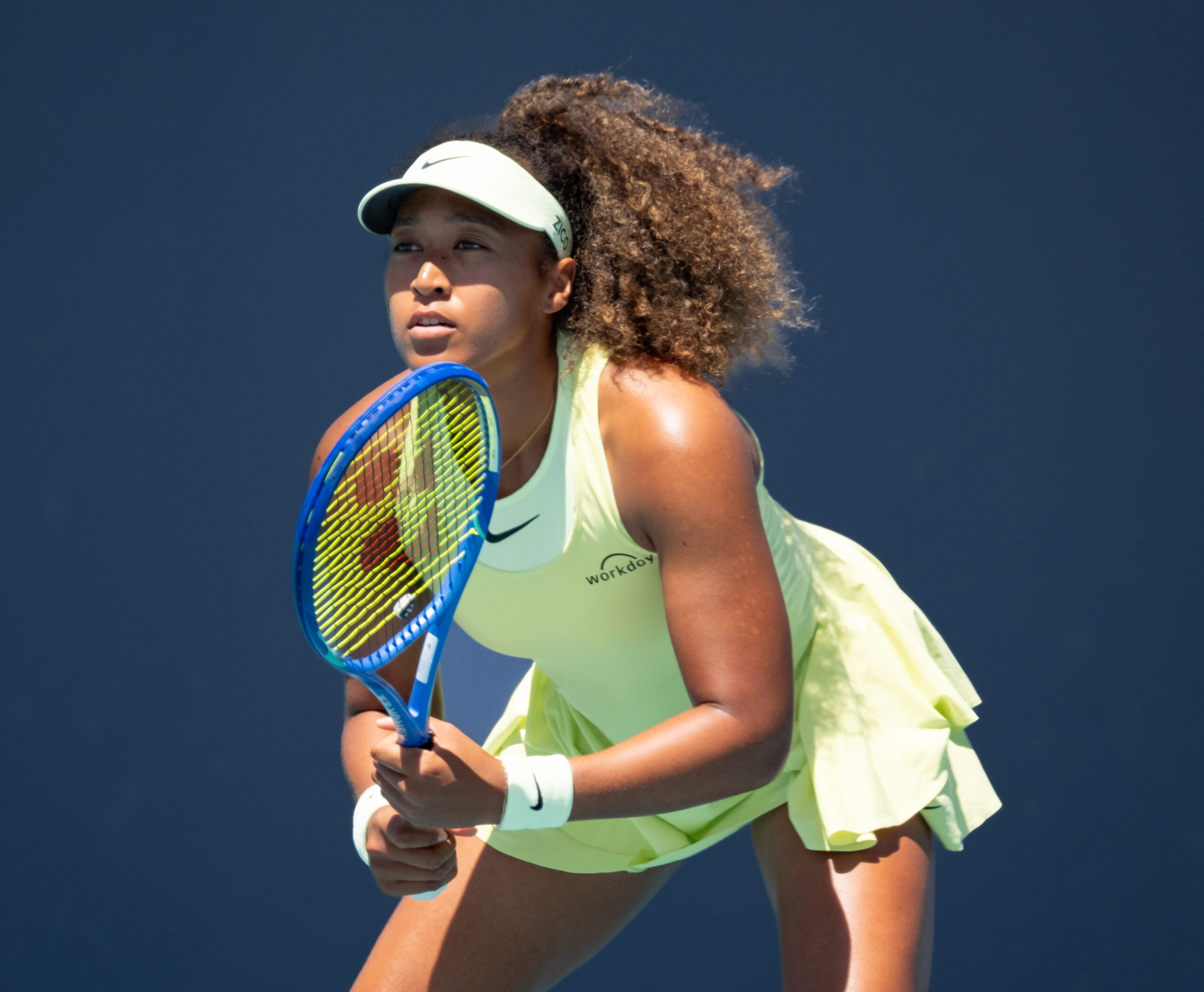
Modern tennis is often described through speed and power. Fans talk about bigger serves, heavier forehands, faster movement, and stronger athletes. All of that is true. But underneath those visible traits sits something even more important: court position.
Where a player stands, and how quickly they can change that position, now shapes nearly every point at the top of the sport. It affects the serve, the return, rally tolerance, offense, defense, and even a player’s ability to stay physically fresh through a long tournament. Court position is not just a tactical detail. It is one of the clearest ways to understand why matches unfold the way they do.
For casual fans, court position can seem subtle compared with a 130 mile per hour serve or a screaming winner down the line. But once you start watching for it, the game changes. You begin to see why one player looks rushed while another looks calm.
You notice why one athlete appears to be dictating even without hitting outright winners. You understand why some players can absorb pressure and still turn defense into attack.
Modern tennis is, in many ways, a battle over space. The player who controls space usually controls the match.
The hidden geometry of the sport
Every tennis point is a negotiation over territory. One player tries to take time and space away. The other tries to recover it.
When a player is standing on or inside the baseline, that usually means they are taking the ball earlier, cutting down their opponent’s reaction time, and putting themselves in position to redirect the rally.
When a player is pushed several feet behind the baseline, they may gain a little more time to react, but they usually surrender court control. They must run more ground, defend more angles, and work harder to re-enter the point on their own terms.
That does not mean playing deep is automatically wrong. Some elite defenders have built careers from standing farther back, extending rallies, and forcing opponents to hit one extra shot. But even those players usually understand that defense alone is not enough. At some point, they must move forward again, reclaim ground, and change the terms of the exchange.
That is the essence of court position. It is not a fixed place. It is a constant tug-of-war.
Why the baseline is not just the baseline anymore
In older tennis conversations, players were often sorted into neat categories. Some were aggressive baseliners. Some were counterpunchers. Some were serve-and-volleyers. That language still has some use, but the modern game has blurred those lines.
Today’s best players often shift their court position from point to point and even shot to shot. They might return from well behind the baseline on a huge first serve, then step inside the court on a second serve.
They might defend from deep positions in one rally, then suddenly step forward and flatten out a backhand to seize control. They may even approach the net not as a default style, but as a carefully timed finishing move after gaining the right court position first.
The modern baseline is not a single line. It is a zone. Elite players work around it like experienced boxers working around a ring, constantly adjusting their distance, angles, and timing.
That flexibility is one reason the sport has become so demanding. It is no longer enough to be fast. Players must know when to hold ground, when to retreat, and when to step forward without hesitation.
Serving starts the positioning battle
The serve is usually discussed in terms of speed, spin, and placement. But it is also the first positional shot of every point.
A strong server is not just trying to hit an ace. Often, the real goal is to earn the next ball from a favorable position. A wide serve can open the court and pull the returner off the doubles alley. A body serve can jam the returner and prevent a clean swing. A serve down the T can cut off angles and leave a shorter reply. In each case, the serve is setting up geography.
The best servers understand what kind of first strike they want after the serve. They do not just deliver the ball. They serve with their next step already in mind.
This matters because modern rallies begin fast. A player who serves well and lands in balanced court position immediately after contact can often take control with the next forehand. A player who serves big but falls off balance, recovers poorly, or leaves open space behind the serve may still find themselves under pressure.
At the top level, serving is increasingly tied to movement patterns. The serve is the opening move in a positional sequence.
Return position has become a major strategic choice
Few tactical decisions are more visible in today’s game than where a player stands to return serve.
Some players prefer to stand far back, especially against huge first serves. This gives them extra reaction time and allows for a fuller swing. Others crowd the baseline, trying to take the ball early and rob the server of time. Most top players use both looks depending on the opponent, the surface, and the score.
Returning from deep can be smart, especially on fast courts or against elite servers. But it also comes with tradeoffs. A deep return position can leave more court open and make it harder to begin the rally in an attacking stance. Stepping in can create immediate pressure, but it demands exceptional timing and confidence.
This is one reason return games are so revealing. They show how a player views risk, tempo, and space. Some want to neutralize first and build from there. Others want to challenge the server from the first shot.
For fans, watching return position is one of the easiest ways to spot a tactical shift during a match. A player moving a step or two forward is often signaling intent. A player drifting back may be looking for security or trying to reset after losing control.
Rally control is really about who gets to play from the middle
One of the simplest truths in tennis is that the middle of the court is powerful. A player who is balanced near the center and close to the baseline usually has the most options. They can go crosscourt, down the line, with angle, with height, or with pace. They can defend either wing more easily. They can transition forward if the next ball lands short.
By contrast, a player hitting on the run from outside the singles line or from several feet behind the baseline has far fewer choices. Their main goal becomes survival.
This is why so many rallies are really fights over who gets pushed off center first. Heavy topspin, deep crosscourt shots, and sharp changes of direction all serve that same purpose. They are not just about making a pretty shot. They are about forcing the other player into uncomfortable court position.
The player who repeatedly recovers to strong central court position will usually look calmer and more in control, even if both players are hitting the ball just as hard. That is because control in tennis often comes less from power than from balance.
Defense only works if it can become offense
Modern tennis celebrates defense more than ever, and rightly so. The movement at the top of the sport is extraordinary. Players slide on hard courts, stretch into corners, flick passing shots from impossible positions, and retrieve balls that once would have been clean winners.
But the best defenders are not just retrievers. They are transition players. The crucial question is not whether a player can survive from deep positions. It is whether they can turn a neutral or defensive ball into a chance to move forward again.
A floating defensive reply may keep the point alive, but it often only delays defeat. A deep, heavy, well-placed defensive shot can reset the rally and buy back space.
That difference matters. Real defense in modern tennis is not passive. It is active resistance. It is the art of regaining court position one shot at a time.
This is also why some players seem to wear opponents down psychologically. It is not just that they get one more ball back. It is that their defense keeps restoring them to a position where they can strike again. That is exhausting for the player on the other side of the net.
Short balls matter more than highlight winners
Fans naturally remember the spectacular shots. The inside-out forehand winner. The backhand laser down the line. The impossible passing shot. Yet many matches are shaped less by outright winners than by who recognizes and attacks short balls more effectively.
A short ball is not always an easy ball. Sometimes it sits low. Sometimes it arrives with awkward spin. Sometimes it tempts a player into rushing. But it is usually the clearest invitation to improve court position. It lets a player step forward, take time away, and force the opponent into defense.
This is where elite players separate themselves. They do not always crush the short ball for a clean winner. Often they use it to create the next problem. They may hit deep into a corner, approach behind it, or open the court for a simple finish on the following shot.
In other words, the short ball is valuable not only because it can end the point, but because it allows a player to occupy stronger territory. It turns reactive tennis into proactive tennis.
Surface changes the value of court position
Court position matters everywhere, but not in exactly the same way on every surface. On faster grass or slick hard courts, taking time away can be especially punishing. The ball comes through quickly, and stepping inside the baseline can put enormous pressure on an opponent.
On slower hard courts and clay, players often have a little more time, which makes point construction more layered. It may take several shots to move from neutral court position into a clearly attacking one.
Clay in particular teaches patience with positioning. A player can defend deeper and still find ways back into the rally because the surface gives more time. Angles also become more prominent, which means recovery patterns and lateral movement are even more important.
Grass can produce the opposite effect. One or two well-positioned shots may be enough to decide the point.
This is why surface specialists often look different tactically. It is not only their strokes. It is their relationship to space.
The best players make the court feel small for the opponent
One of the marks of a great player is their ability to make the court feel cramped for the other person. They do this by taking the ball early, redirecting cleanly, recovering quickly, and using depth with purpose. They reduce the opponent’s comfort. They force rushed decisions. They make routine patterns feel unstable.
This can happen without constant aggression. A player does not need to swing for lines every ball to dominate space. Sometimes repeated depth through the middle is enough to pin the opponent back. Sometimes a well-timed change of direction does more damage than brute force. Sometimes simply holding the baseline under pressure sends a message that the court is no longer open.
When players talk about feeling like they had no time, they are often describing a court-position problem as much as a shot-quality problem.
Why this matters for fans and analysts
Court position offers one of the cleanest ways to read a match beyond the scoreboard. If one player is winning points but constantly hitting from outside the doubles alley or from far behind the baseline, that success may not last.
If another player is losing early games but steadily stepping closer to the baseline on returns and finding balance in the middle of the court, the match may be shifting before the score shows it.
That is what makes court position such a useful lens. It helps explain momentum. It reveals tactical intent. It shows whether a player is imposing themselves or merely surviving.
For a tennis website, it also makes for good evergreen analysis because it applies across eras, surfaces, and player types. The names change. The geometry does not.
The sport keeps evolving but space still decides everything
Tennis equipment changes. Training improves. Styles rise and fade. Players get stronger and faster. Yet one principle holds: whoever controls space usually controls the point.
Modern tennis may look like a sport of pure power, but power without position is unstable. The biggest serve, the heaviest forehand, and the quickest feet all matter more when they are used to take and protect the right parts of the court.
That is why court position matters more than ever. It sits underneath almost every visible feature of the modern game. It shapes how players serve, return, defend, attack, recover, and close.
Once you start watching tennis through that lens, the sport opens up. Matches stop looking random. Momentum becomes easier to read. The smartest players become easier to appreciate.
In the end, tennis is not only about hitting the ball better. It is about standing in the right place, at the right time, often enough to make the court belong to you.
If you want, I can also give you 5 more evergreen analysis article ideas in this same style for Global Tennis News.