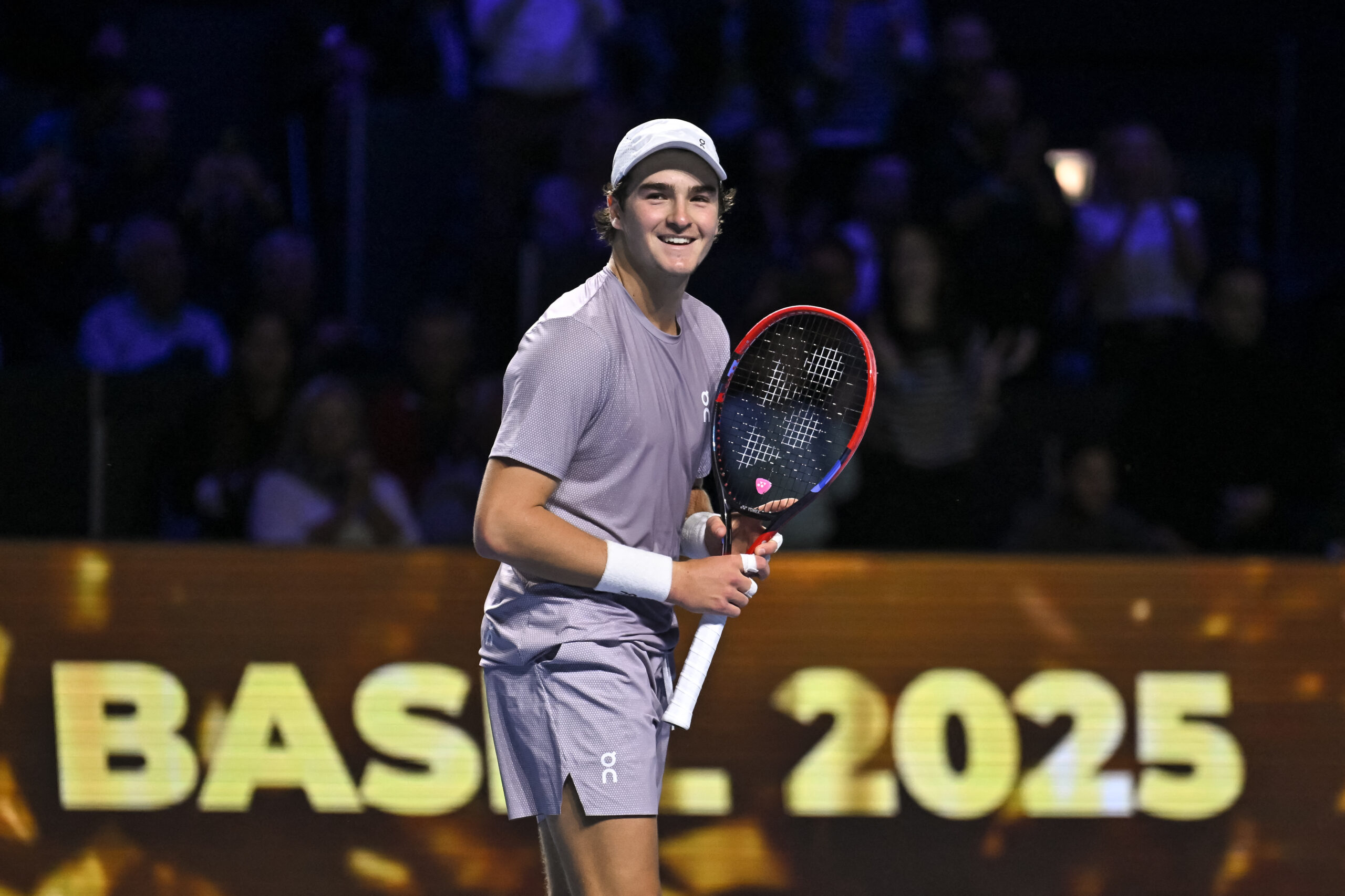

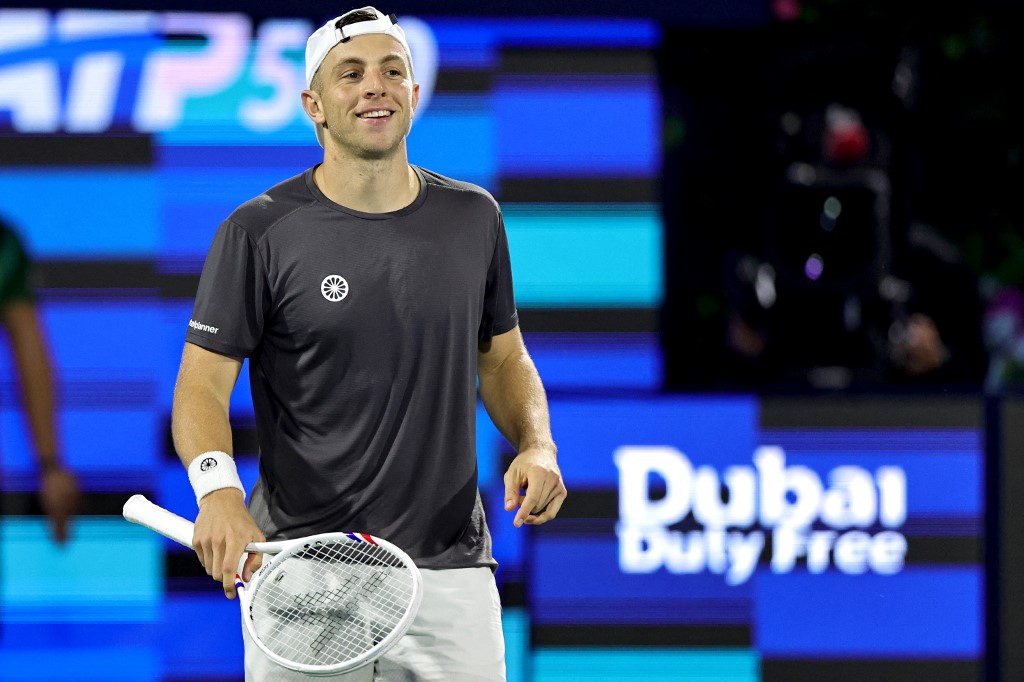
A group of professional tennis players, including recent Dubai champion Daniil Medvedev, found themselves unable to leave the city after Iranian missile and drone attacks disrupted air travel across the region. The attacks came in response to strikes by the United States and Israel on Iran over the weekend, leading to widespread airspace closures and flight cancellations.
The ATP Tour, which oversees men’s professional tennis, confirmed on Monday that a small number of players and their teams remained in Dubai following the conclusion of the ATP 500 event there.
Medvedev, the Russian who claimed the singles title on Saturday, posted on social media about his situation, showing he was among those affected. The 30-year-old defeated Tallon Griekspoor in the final, though some reports noted Griekspoor withdrew due to a hamstring injury, handing Medvedev the win by default.
“We prioritize the health, safety, and well-being of our players, staff, and tournament personnel,” the ATP stated. “We can confirm that a small number of players and team members remain in Dubai. They are being accommodated in the official tournament hotels. We are in direct communication with those affected.”
Estimates from players and reports suggest around 30 to 40 people, including athletes, coaches, officials, and journalists, stayed behind in hotels near the airport. Finnish doubles player Harri Heliovaara, who won the doubles crown alongside Britain’s Henry Patten, shared details on his blog.
He described how much of the airspace in surrounding areas closed due to the strikes. “We’re just calmly waiting for things to improve,” Heliovaara wrote on Sunday. “Of course we want to leave as soon as possible, but sometimes the best thing is just to wait.”
Heliovaara, 36, who has claimed doubles titles at Wimbledon in 2024 and the Australian Open in 2025, explained that road travel to nearby countries like Oman or Saudi Arabia seemed impractical. “Up till now the ATP’s instructions were very clear: stay in the hotel and wait,” he added.
Other players reported to be stranded include world No. 17 Andrey Rublev, who reached the semifinals in Dubai, and doubles runners-up Marcelo Arevalo and Mate Pavic. Dutch player Tallon Griekspoor, Medvedev’s final opponent, also remained in the city, along with several coaches and tournament staff.
Sports journalist Reem Abulleil tweeted that she was still in Dubai with this group, highlighting the mix of players from various nations caught in the disruption.
The Dubai ATP 500 marked the end of a swing of tournaments in the Middle East before the circuit shifts to California for the Indian Wells Masters, set to begin on Wednesday. With travel halted, some players face the risk of missing the start of that event.
Medvedev, seeded high at Indian Wells, and others like Rublev have slim chances of arriving in time if flights do not resume soon. Reports indicate that after an emergency meeting, players rejected initial ATP offers for alternative travel, preferring to stay put for now.
A bit of relief came when Dubai Airports announced limited flights would resume on Monday evening. Major carriers like Emirates and flydubai confirmed they would restart some operations that night, while Etihad Airways, based in Abu Dhabi, planned to resume on Tuesday. However, uncertainty lingers as explosions and interceptions continued in the region.
The conflict’s impact extends beyond Dubai. Danish player Holger Rune, rehabilitating an Achilles injury in Qatar, shared a video of what appeared to be missile interceptions in the sky. His mother, Aneke Rune, described seeing “balls of fire in the sky and constant detonations,” underscoring the tense atmosphere in nearby countries.
Lower-tier events in the United Arab Emirates also face disruption. The ATP directed inquiries about upcoming Challenger tournaments in Fujairah, scheduled for March 2-8 and March 9-15, to their earlier statement, which offered no specifics on status.
Meanwhile, the International Tennis Federation confirmed to AFP that two World Tennis Tour events, third-tier competitions set for March 16-28 in Fujairah, have been postponed.
This situation echoes broader travel chaos affecting athletes in other sports. Zimbabwe’s cricket team, for instance, remains stuck in India due to similar airspace issues stemming from the conflict.
Players like Heliovaara expressed a mix of patience and frustration. In his blog, he noted that despite hearing numerous explosions since the conflict intensified, the doubles final proceeded on Saturday, and the singles trophy ceremony went ahead without incident. “The tournament wrapped up, but now we’re in this holding pattern,” he said.
The ATP has stepped up support, offering options for escape. According to Spanish media outlet Marca, the tour proposed two alternatives: a car journey to Oman followed by a private flight, or similar arrangements to other nearby points. However, players have so far chosen to remain in their hotels, weighing the risks of ground travel amid the instability.
Medvedev, known for his straightforward demeanor on and off the court, has kept fans updated through social media, sharing glimpses of his extended stay. Rublev, another Russian star, has voiced concerns about the uncertainty, telling reporters before the closures that he hoped to reach Indian Wells in time.
As the conflict shows no immediate signs of easing, the tennis community watches closely. The ATP continues to monitor developments and communicate with affected individuals. For now, these players sit tight in Dubai, hoping for safe passage to their next destinations.
The broader implications for the tour remain unclear. Indian Wells, one of the season’s premier events, draws top talent from both the men’s and women’s sides. Any absences due to travel delays could shift draws and affect outcomes. Organizers there have not yet commented on potential adjustments.
In the meantime, the stranded group finds ways to pass the time. Heliovaara mentioned casual conversations and light training in hotel facilities, maintaining routines as best they can. “It’s not ideal, but we’re making the most of it,” he wrote.
This episode highlights how global events can intersect with sports, forcing athletes to navigate challenges far beyond the baseline. As flights tentatively restart, the hope is that all involved can soon depart safely and resume their seasons.