

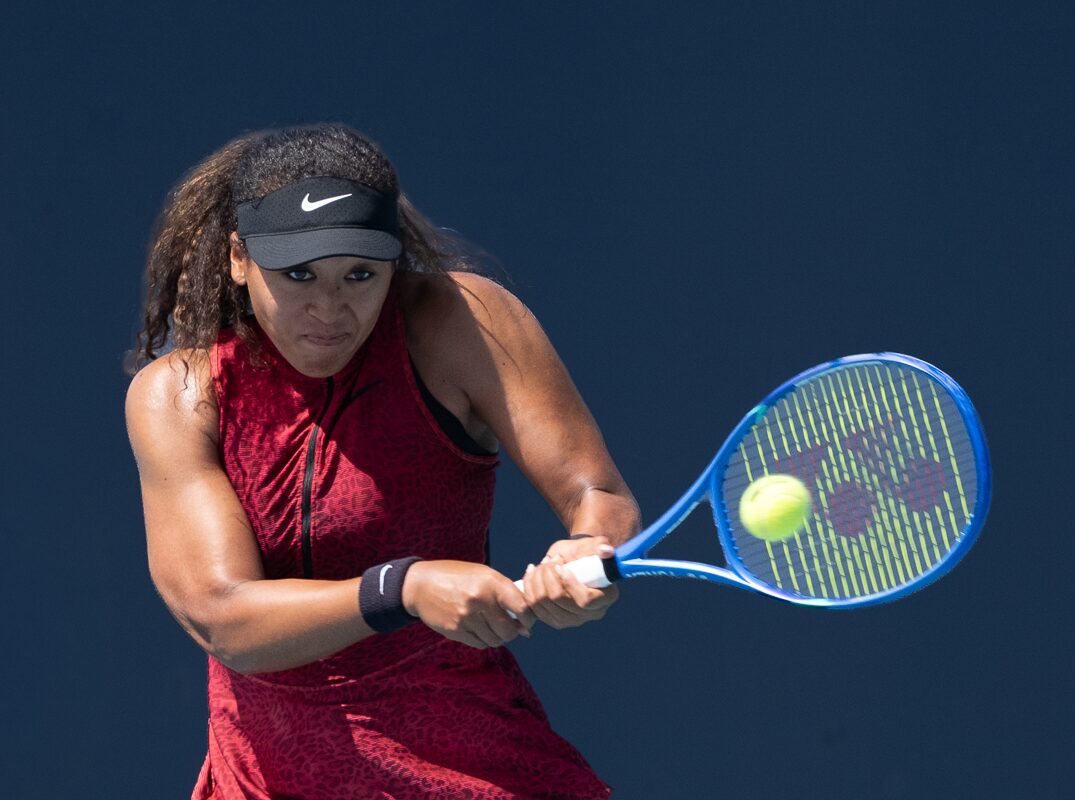
On paper, grass should be Naomi Osaka’s best surface. She owns one of the heaviest serves in the women’s game, takes the ball early, and ends points quickly — the toolkit the surface rewards. In practice, Wimbledon has been the one major she has never solved. Her four Grand Slam titles all came on hard courts, two at the US Open and two at the Australian Open, and across five previous visits to the All England Club she has never advanced past the third round.
The record. Osaka’s best results here — the third round — came in 2017, 2018 and 2025, and her straight-sets win over Anastasia Gasanova on Wednesday matched that ceiling for a fourth time. She has won the Australian Open and the US Open twice each, reached the US Open semifinals last year, and this spring finally broke into the Roland Garros fourth round for the first time. That leaves Wimbledon as the only major where she has never reached the second week. For a player who topped the rankings and won majors before turning 24, the grass gap is conspicuous.
Why the surface resisted her. The explanation is less about power than about the parts of grass-court tennis that power does not cover. The surface rewards returning low, skidding balls, reading an unpredictable bounce, and changing direction on a slick court — footwork and adjustment more than raw ball-striking. Osaka’s game is built on dictating from a clean, high strike zone; grass takes some of that away, forcing her to bend for low balls and defend in ways that suit steadier movers. A grass season of only three to four weeks has also meant far fewer matches on the surface than on hard courts, and less time to trust the footing.
What looks different in 2026. She arrived off a run to the Bad Homburg final, from which she withdrew before the title match with a minor issue, and she has carried that form into the draw. Against Gasanova she struck eight aces, won 76 percent of her first-serve points and did not face a break point. She has said she feels more at home on grass than she once did, and the early evidence supports it. The wider trajectory does too: a US Open semifinal last year, a maiden second week in Paris this spring, and now her cleanest grass tennis in years.
The test. The pattern does not break until she wins a third-round match here, and Friday offers the chance. Osaka meets Daria Kasatkina, a counterpuncher whose defense and variety are exactly the qualities that have troubled her on grass before. Win, and Osaka reaches a first Wimbledon fourth round; lose, and the most decorated active hard-court champion in the women’s game is left with the same riddle for another year.