

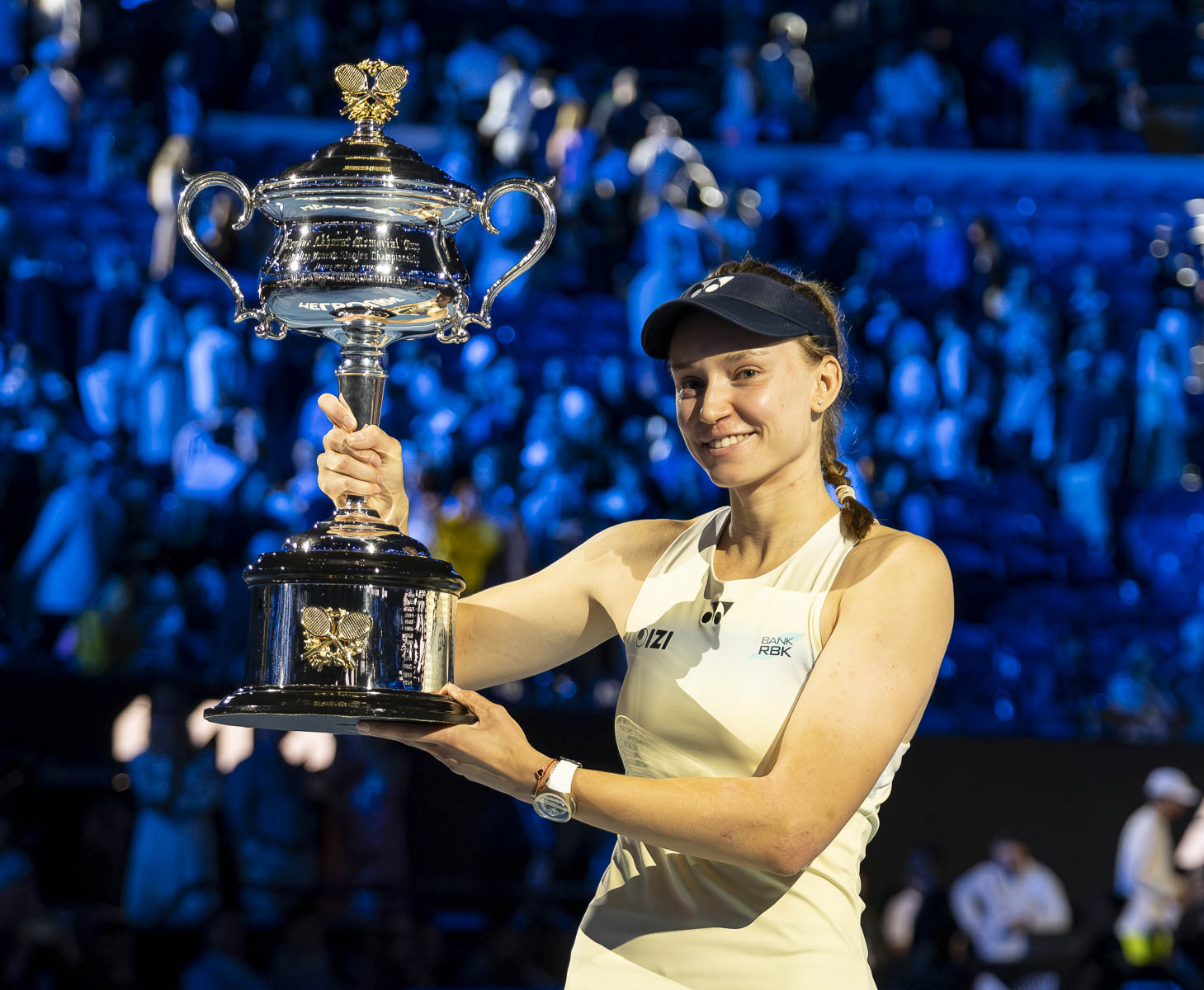
Tennis’s four Grand Slam tournaments form the sport’s backbone, hosting the top players in high-stakes battles each year. The Australian Open, French Open, Wimbledon, and US Open each bring their own traditions, but they share a common framework that determines how the action unfolds. This setup, governed by the International Tennis Federation with input from the ATP and WTA tours, keeps the competition fair and intense.
Each Grand Slam is run by a national body: Tennis Australia oversees the Australian Open in Melbourne, the French Tennis Federation handles Roland Garros in Paris, the All England Club manages Wimbledon in London, and the United States Tennis Association directs the US Open in New York. These organizations handle logistics, from court maintenance to fan experiences, while adhering to unified rules.
The main singles events feature 128 players in a knockout format. This means losers exit after one match, and winners advance through seven rounds to the title. The bracket starts with the round of 128, then moves to 64, 32, 16 (often called the fourth round), quarterfinals, semifinals, and the final. To visualize this progression, here’s a simple outline of the draw stages:
| Round | Players Remaining | Matches Played |
|---|---|---|
| First Round | 128 | 64 |
| Second Round | 64 | 32 |
| Third Round | 32 | 16 |
| Fourth Round | 16 | 8 |
| Quarterfinals | 8 | 4 |
| Semifinals | 4 | 2 |
| Final | 2 | 1 |
Players enter the main draw through rankings, qualifying, or wildcards. The top 104 in the ATP or WTA rankings get direct spots based on standings six weeks prior. Sixteen more come from a qualifying event with 128 entrants playing three rounds to advance. Eight wildcards are awarded by organizers, often to local talents or those returning from breaks. This system mixes proven performers with underdogs.
Seeding adds strategy to the draw. The top 32 players are seeded to avoid early clashes among favorites. The No. 1 seed anchors one half, No. 2 the other, ensuring they can only meet in the final. Seeds 3-4 split quarters, and lower seeds are placed randomly within sections. The draw is made publicly days before the start, using software for impartiality.
Matches follow set formats that vary by category. Men’s singles go best-of-five sets, where a player needs three sets to win. Women’s singles and all doubles are best-of-three. A set requires six games, with a tiebreak at 6-6 (first to seven points, by two). Since 2022, all Slams use a 10-point tiebreak in the deciding set at 6-6, ending marathon finals. Doubles uses no-ad scoring at deuce and super tiebreaks in the third set for quicker play.
Doubles draws include 64 teams for men’s and women’s, needing six wins for the title, and 32 for mixed doubles. Juniors under 18 have 64-player singles and 32-team doubles. Wheelchair events offer singles and doubles in open and quad divisions, with 16 and 8 entrants respectively.
The tournaments span two weeks, starting Monday after qualifying. Early rounds fill the first week, with later stages in the second. Most have a rest day on the middle Sunday, though weather can shift that. Finals typically wrap with women’s singles and mixed doubles on Saturday, men’s on Sunday. Night sessions at the Australian and US Opens extend hours, while roofs at all venues now combat rain.
Surfaces set each Slam apart, influencing play styles. Hard courts at the Australian and US Opens suit big servers with even bounces. Clay at the French Open slows rallies, favoring endurance. Grass at Wimbledon rewards volleyers, though it’s less slick today. Here’s a comparison of the four:
| Tournament | Location | Surface | Typical Dates | Unique Feature |
|---|---|---|---|---|
| Australian Open | Melbourne, AUS | Hard | Mid-to-late January | Extreme heat challenges |
| French Open | Paris, FRA | Clay | Late May to early June | Demanding slides and rallies |
| Wimbledon | London, GBR | Grass | Late June to early July | All-white dress code |
| US Open | New York, USA | Hard | Late August to early September | Energetic crowds and night play |
These differences force players to adjust, making all-around skills essential for multiple titles.
Prize money and points highlight the Slams’ status. Champions earn 2,000 ranking points, far above other events, and purses top $50 million with equal pay since 2007. This draws full fields of stars.
Running a Slam involves massive efforts. Venues like Flushing Meadows accommodate over 700,000 fans, with show courts seating thousands. Tech like Hawk-Eye for calls and on-court coaching (allowed since 2022) modernizes the game.
For athletes, the structure demands fitness and focus. Seven matches over two weeks test limits, with recovery and tactics key. Upsets add drama, but the format rewards consistency.
This blueprint has evolved little, preserving tennis’s appeal. From entry to endpoint, it creates paths for glory.