

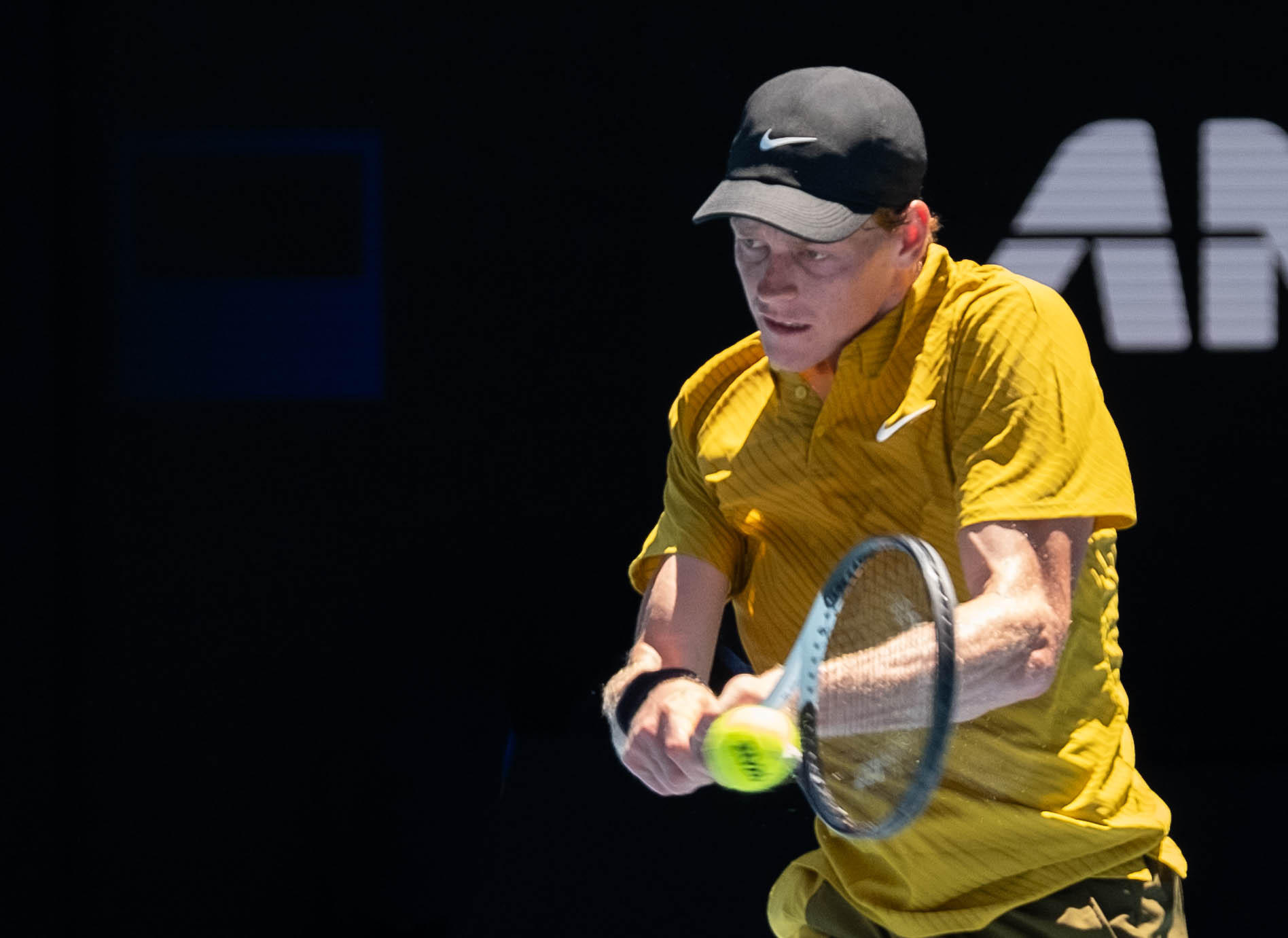
The newly revamped mixed doubles event at the 2026 US Open is facing growing resistance from some of the sport’s biggest stars, with reports indicating that men’s world No. 1 Jannik Sinner is among the players questioning whether to participate.
According to reports from British media, concerns have emerged over the format and direction of the tournament’s mixed doubles competition after organizers introduced significant changes designed to attract more top singles players and television audiences.
The revised format, which features shorter matches and a condensed schedule during the opening week of the tournament, was intended to create a showcase event featuring many of the sport’s biggest names. However, critics argue that the changes come at the expense of traditional doubles specialists who have long supported the discipline.
Several players have reportedly expressed frustration that decisions affecting the event were made without sufficient consultation. While no formal boycott has been announced, reports suggest some top singles players are considering skipping the competition altogether.
Sinner’s involvement in the discussion has drawn particular attention given his status as the world’s top-ranked men’s player and one of the sport’s most influential figures. The Italian has become one of tennis’s biggest attractions over the past two seasons, making any decision regarding his participation highly significant.
The controversy highlights an ongoing debate within professional tennis over how best to balance entertainment value, commercial interests, and opportunities for doubles specialists. Tournament organizers have increasingly sought ways to showcase marquee singles stars in doubles events, believing the approach can boost attendance, television ratings, and sponsorship interest.
Supporters of the changes argue that featuring players such as Sinner, Carlos Alcaraz, Novak Djokovic, and other leading stars could generate unprecedented attention for mixed doubles. Critics counter that the format risks marginalizing players who specialize in doubles competition and depend on those events for ranking points and income.
The issue is likely to remain a major talking point throughout the summer hard-court season as players prepare for the year’s final Grand Slam. Any indication that leading names could decline to participate would place additional scrutiny on the tournament’s efforts to reshape one of its traditional events.
For now, tournament officials have not commented on the reported concerns, and no player has publicly committed to a boycott. However, the discussion has already become one of the most significant off-court stories in tennis as the countdown to the US Open continues.