

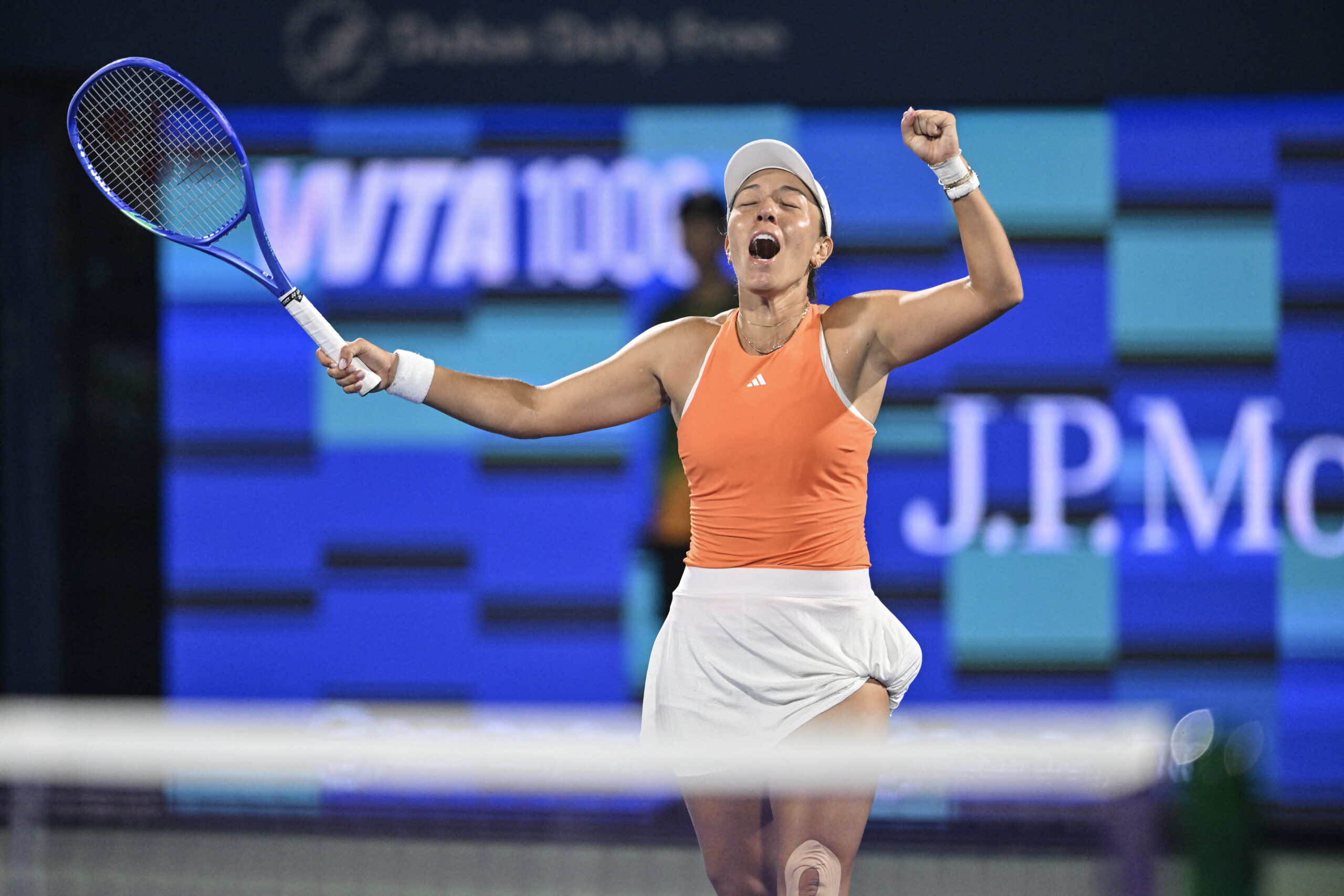
WTA 1000 tournaments are the highest tier of women’s professional tennis outside the Grand Slams. They award 1,000 ranking points to the singles champion and often determine the race for No. 1, Grand Slam seedings and qualification for the WTA Finals.
These events sit at the center of the tour calendar, combining deep draws, strong fields and significant ranking consequences.
What Is a WTA 1000 Tournament
The “1000” refers to the number of ranking points awarded to the singles champion.
WTA 1000 tournaments:
- Feature many of the top-ranked players
- Offer substantial prize money
- Influence seeding at Grand Slams
- Play a major role in year-end standings
They are the women’s tour equivalent in tier to ATP Masters 1000 events.
Mandatory vs Non-Mandatory Events
WTA 1000 tournaments are divided into two categories:
Mandatory Events
Top-ranked players are required to enter unless granted exemptions for injury or special circumstances.
Non-Mandatory Events
Participation is optional, though ranking impact remains significant.
This distinction affects how ranking points are counted in a player’s 52-week total.
(You can later publish a deeper explainer on ranking commitments and link it here.)
Ranking Points at WTA 1000 Events (Singles)
Standard distribution:
- Champion: 1,000
- Finalist: 650
- Semifinalist: 390
- Quarterfinalist: 215
- Round of 16: 120
Points count within the WTA’s rolling 52-week ranking system.
Draw Sizes and Format
WTA 1000 tournaments vary in size.
Common Singles Draws
- 56-player draw
- 96-player draw
At larger events, top seeds may receive first-round byes.
Match Format
- Best-of-three sets
- Standard tiebreak scoring
Unlike men’s Grand Slam matches, no best-of-five format is used.
Surfaces and Scheduling
WTA 1000 tournaments are held across multiple surfaces:
- Hard courts
- Clay
- Occasionally indoor hard courts
They are strategically placed throughout the calendar to anchor key parts of the season.
Why WTA 1000 Events Matter
WTA 1000 results often determine:
- Top-10 positioning
- No. 1 ranking battles
- Seeding at Grand Slams
- WTA Finals qualification
A strong season at the 1000 level often defines elite consistency.
WTA 1000 vs Other Tiers
| Level | Winner Points | Typical Draw |
|---|---|---|
| Grand Slam | 2,000 | 128 |
| WTA 1000 | 1,000 | 56–96 |
| WTA 500 | 500 | 32–48 |
| WTA 250 | 250 | 32 |
Grand Slams remain the sport’s most prestigious events, but WTA 1000 tournaments often shape the weekly ranking hierarchy.
Frequently Asked Questions
How many WTA 1000 tournaments are there?
The number varies by season but typically includes multiple events across hard and clay surfaces.
Do all top players compete in WTA 1000 tournaments?
Mandatory events require participation from eligible top-ranked players.
How many ranking points does the champion receive?
1,000.