

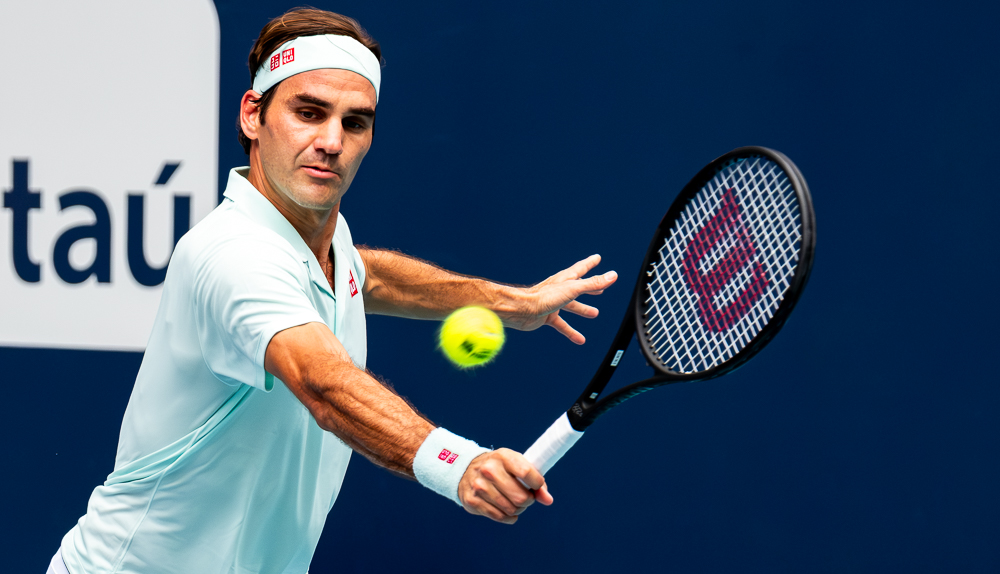
In professional men’s tennis, the ATP Masters 1000 tournaments rank among the most significant events outside the Grand Slams. These nine annual competitions attract the top players, offer substantial ranking points, and serve as critical battlegrounds for titles and momentum.
For athletes chasing year-end rankings or major preparation, they provide essential tests. For spectators, they deliver consistent high-level matches across continents and surfaces.
Each Masters 1000 awards 1,000 ranking points to the singles winner, explaining the name. This figure places them below Grand Slams, which give 2,000 points, but above ATP 500 events (500 points) and ATP 250s (250 points).
Top players must enter at least eight of the nine, with Monte-Carlo as the exception, though most compete there anyway for the prestige. Singles draws feature 56 or 64 entrants, with best-of-three-set matches that keep the pace sharp compared to the majors’ best-of-five format.
The schedule spreads from March to November, covering hard courts, clay, and indoor venues. This variety demands adaptability from players. Hard-court events include Indian Wells and Miami in the U.S. during spring, Canada’s National Bank Open (alternating between Montreal and Toronto) and Cincinnati in summer, Shanghai in fall, and the indoor Paris Masters to end the season. Clay specialists shine in Monte-Carlo, Madrid, and Rome, which cluster in April and May as lead-ins to Roland Garros.
Financial rewards match the status. Champions often earn over $1 million, with total prize pools surpassing $8 million per tournament. In 2025, for example, Indian Wells distributed $19 million overall, reflecting the growth in tennis economics. Doubles competitions run alongside, with their own draws and points, though singles dominate headlines.
The series began in 1990 as part of the ATP Tour’s restructuring, evolving from earlier Grand Prix events. Initially dubbed the Championship Series, it later adopted names like Mercedes Super 9 and Tennis Masters Series before settling on Masters 1000 in 2009.
Adjustments over time included replacing Hamburg with Madrid on clay and shifting other sites to modernize the calendar. These tweaks aim to balance player workloads while expanding global reach.
Competition depth sets Masters 1000 apart. With mandatory participation for elites, fields routinely include the top 30 or more, fostering upsets and rivalries. On clay, Rafael Nadal has claimed 36 titles, mostly in Monte-Carlo, Madrid, and Rome. Novak Djokovic holds the all-time record with 40 wins, excelling on hard courts like Indian Wells and Miami.
Roger Federer follows with 28. As of February 2026, no active player has surpassed these marks, though Carlos Alcaraz and Jannik Sinner have added multiple titles in recent years, signaling a shift.
A “Career Golden Masters” means winning all nine at least once—a milestone only Djokovic has reached, completing it in 2018 at Cincinnati. Such feats underscore the challenge. Young talents often break through here; Alcaraz’s 2022 Miami victory at 18 echoed earlier triumphs by players like Andy Murray in 2008.
Venues enhance the appeal. Indian Wells’ expansive California site hosts over 450,000 fans annually, while Rome’s Foro Italico blends history with modern facilities. Weather and scheduling can test resilience, as seen in rain-interrupted finals or the grueling clay swing.
Doubles adds another layer, with partnerships like Bob and Mike Bryan amassing 39 titles. Current standouts include teams with Wesley Koolhof or Marcel Granollers, emphasizing strategy over raw power.
These events shape seasons. A strong Masters run can propel a player toward the ATP Finals or boost confidence for Slams. They also highlight trends, like the rise of big servers on hard courts or sliders on clay.
| Tournament | Location | Surface | Month | Notable Records |
|---|---|---|---|---|
| Indian Wells Masters | Indian Wells, USA | Hard (Outdoor) | March | Djokovic: 5 titles |
| Miami Open | Miami, USA | Hard (Outdoor) | March/April | Agassi/Djokovic: 6 titles each |
| Monte-Carlo Masters | Monte-Carlo, Monaco | Clay (Outdoor) | April | Nadal: 11 titles |
| Madrid Open | Madrid, Spain | Clay (Outdoor) | May | Nadal: 5 titles |
| Italian Open | Rome, Italy | Clay (Outdoor) | May | Nadal: 10 titles |
| National Bank Open | Montreal/Toronto, Canada (alternates) | Hard (Outdoor) | August | Djokovic: 6 titles |
| Cincinnati Masters | Cincinnati, USA | Hard (Outdoor) | August | Federer: 7 titles |
| Shanghai Masters | Shanghai, China | Hard (Outdoor) | October | Djokovic: 4 titles |
| Paris Masters | Paris, France | Hard (Indoor) | October/November | Djokovic: 7 titles |
This lineup illustrates the geographic and surface diversity, with records showing dominance by legends. As tennis evolves, Masters 1000 remain core to the sport’s narrative, bridging daily grind and Grand Slam glory.