

Indian Wells has a long habit of revealing the future before the rest of the tour fully catches up, and this year the California desert is doing it again.
A tournament usually framed around the biggest names in the sport has also become a stage for younger players pushing hard against the established order. Over the past several days, that pattern has shown up in different forms:
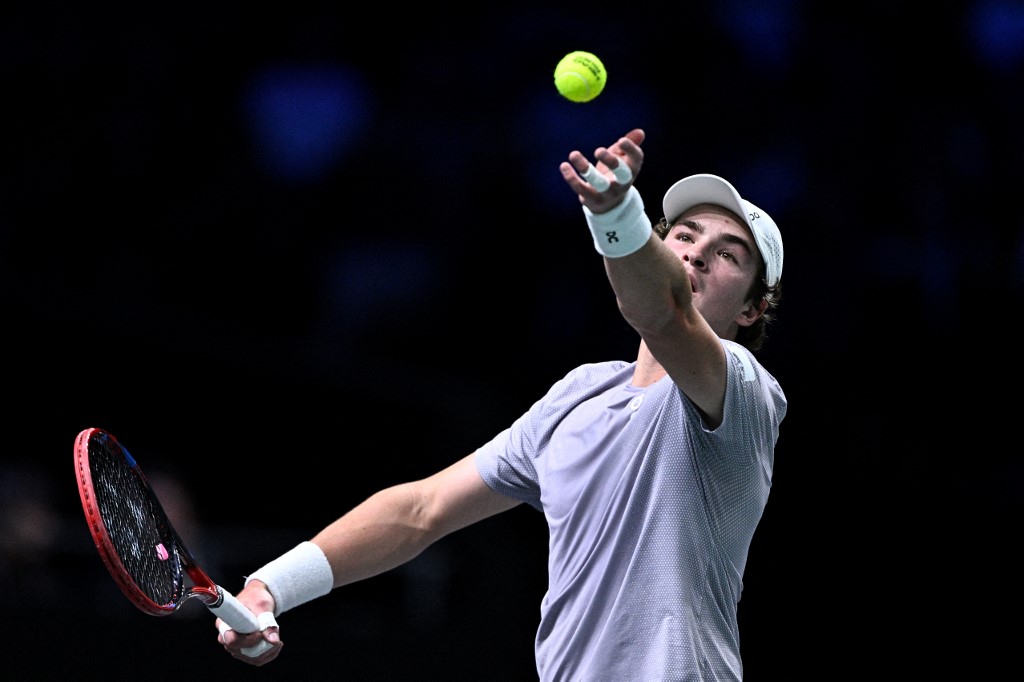
João Fonseca pushing Jannik Sinner to the edge, Alexandra Eala turning a breakthrough week into the biggest run of her young career, and qualifier Talia Gibson knocking out seventh seed Jasmine Paolini to reach the quarterfinals.
Fonseca’s performance may have been the clearest reminder of how quickly the next tier is arriving. Sinner still advanced, but the Italian had to survive a high-pressure duel that stretched across two tight tiebreak sets after dropping the opener to the 19-year-old Brazilian.
The scoreline alone showed the stress of the test, but the larger takeaway was that Fonseca did not look overawed by one of the sport’s most reliable elite players. He looked like someone already comfortable trading blows on a major stage.
On the women’s side, Eala has turned opportunity into momentum. The Filipina was already one of the more intriguing young players in the draw, and her route into the second week gained even more attention after Coco Gauff retired hurt from their match.
Eala’s run has not happened in isolation. It fits a broader theme of younger players taking advantage when openings appear, then showing enough composure to keep moving once the spotlight gets brighter.
Gibson’s week may be the most surprising of the group. The Australian qualifier beat Paolini 7-5, 2-6, 6-1 and became the first qualifier in 11 years to reach the Indian Wells quarterfinals, a result that underlined how dangerous this event can be for seeded players who arrive with expectations but without margin.
Indian Wells has always rewarded players who settle into conditions early, and qualifiers often carry that edge into the main draw. Gibson did exactly that.
What makes these results notable is not just the age of the players involved but the kind of tournament where they are happening. Indian Wells is a Masters 1000 and WTA 1000 event, one of the most important stops outside the Grand Slams.
Breakthroughs here tend to mean more because they are happening in a draw loaded with top-10 players, under conditions that demand patience, stamina and tactical discipline over several days.
This year there is also a second layer to the story: the conditions themselves. Indian Wells has traditionally been known as a slower hard-court event, though some recent discussion around court speed has suggested changes in how the surface is playing.
Even so, the tournament still tends to reward players who can absorb pace, extend rallies and hold their nerve in pressure moments, which helps explain why fearless younger players can make real noise here.
The biggest names are still standing. Sinner is through. Aryna Sabalenka is through. Alexander Zverev is through. But the story underneath the headline results is becoming harder to ignore. Indian Wells is once again doing what it does best: showing which young players are no longer just prospects, but problems.