

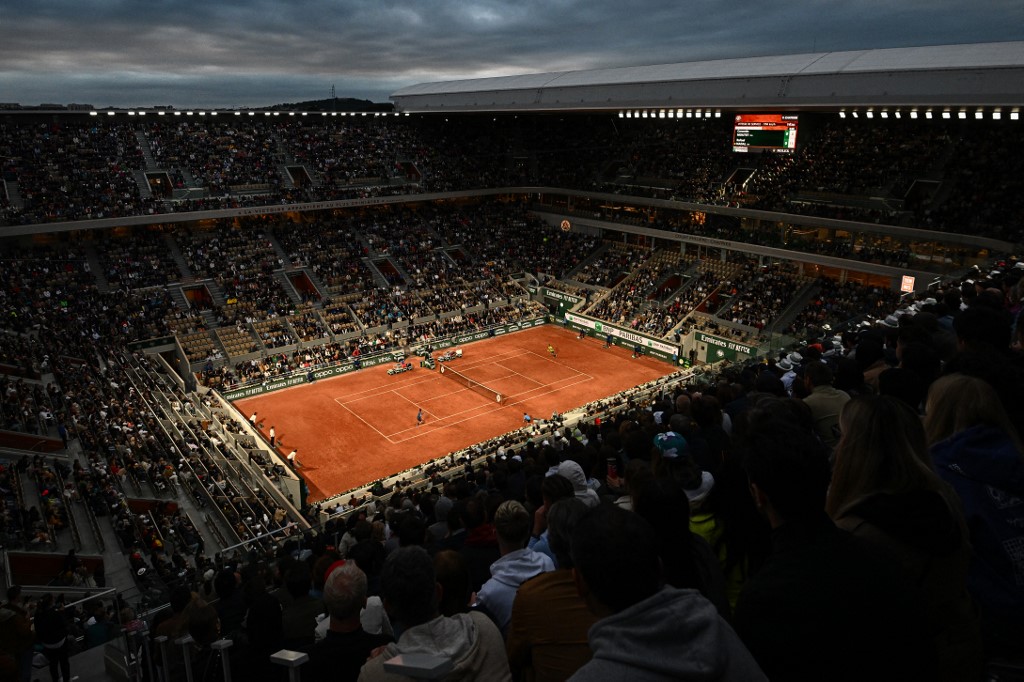
Every year, the world’s best tennis players descend on Paris with the same goal — and most of them leave empty-handed. Roland Garros has broken legends, humbled champions, and turned the form book upside down more than any other major. Here’s why winning the French Open remains the most demanding achievement in tennis.
The Clay Court Difference
Roland Garros is the only Grand Slam played entirely on clay, and that single fact changes everything. Clay is the slowest surface in tennis. Balls bounce higher and kick unpredictably. Rallies stretch far longer than on grass or hard courts, sometimes running 20, 30, even 40 shots.
Players who dominate on faster surfaces — the big servers, the aggressive baseline bashers — suddenly find their weapons neutralized. On clay, every point is a small war of attrition, and the player with the superior fitness, footwork, and mental endurance usually wins.
The surface also demands a completely different physical style. Sliding into shots, recovering quickly, and maintaining heavy topspin for hours at a time place unique stress on the legs, hips, and lower back. A player can arrive in Paris in peak form and still struggle simply because their body hasn’t adapted to moving on clay.
Two Weeks of Sustained Brilliance
Winning Roland Garros requires seven consecutive victories over two weeks. That sounds straightforward until you consider what those two weeks look like. Matches at the French Open routinely last four and five hours.
Best-of-five sets on a slow surface means a single match can drain a player’s energy reserves almost entirely. A player who wins a brutal four-hour semifinal on a Thursday afternoon may have fewer than 48 hours before a final that demands the same level of physical and mental output.
By contrast, Wimbledon and the US Open tend to reward power and serving ability in ways that can produce shorter, sharper matches. Clay removes that safety valve. Endurance isn’t just helpful at Roland Garros — it is absolutely essential.
The Unpredictability of the Draw
Even the world’s top players face a treacherous path through the draw. Clay specialists who barely crack the top 50 in the world rankings become genuine threats the moment they step onto the red dirt of Paris.
A journeyman player who spends the clay season grinding through smaller European tournaments can be razor-sharp and supremely confident by the time Roland Garros begins — and that confidence can translate into shock results against higher-ranked opponents.
The history of the tournament is littered with upsets that would be unthinkable on any other surface. Seeded players who sail through events earlier in the year are suddenly vulnerable the moment the conditions slow the game down and force them into long, attritional battles against opponents who thrive in exactly that environment.
The Mental and Tactical Challenge
Clay tennis is as much a chess match as a physical contest. The slower pace gives both players more time to think, which means tactical adjustments happen in real time throughout every set.
A player who relies on one or two patterns of play — a big serve followed by an aggressive forehand, for example — can be read and countered far more easily on clay than on a surface where the sheer pace of the ball limits an opponent’s reaction time.
Champions at Roland Garros tend to be complete players. They need to construct points patiently, handle defensive situations under pressure, vary spin and pace intelligently, and maintain iron-willed focus through long matches that can shift momentum dramatically within a single game. The psychological demands are immense.
Weather and Conditions Add Another Layer
Paris in late May and early June can be cold, damp, and windswept — conditions that make the clay even heavier and slower than usual. Rain delays are common and can disrupt a player’s rhythm and preparation for days at a time.
When the courts are wet, the ball becomes heavier and kicks even higher off the surface, making aggressive shot-making even more difficult. Players accustomed to warm, sunny conditions on clay in Spain or Italy find the atmospheric conditions in Paris an additional obstacle to overcome.
A Legacy of Dominance — and Heartbreak
Throughout tennis history, Roland Garros has produced some of the most one-sided dominance and some of the most crushing near-misses the sport has ever seen. Certain players have spent their entire careers chasing the title without ever lifting the Coupe des Mousquetaires.
Others have won it in astonishing fashion only to never return to that level again. The difficulty of the tournament means that winning it — even once — immediately places a player among the all-time greats.
The French Open does not reward one-dimensional talent, hot form, or lucky draws. It rewards the complete player — physically formidable, tactically brilliant, and mentally unbreakable. That is precisely why a Roland Garros title carries a weight that few other trophies in sport can match.
The Ultimate Test
When the draw is made each spring and players begin their journey through the red clay of Roland Garros, they are not simply competing for a Grand Slam title. They are facing the most comprehensive examination in professional tennis.
Two weeks, seven matches, one unforgiving surface — and the whole world watching. That is why winning Roland Garros, more than any other major, tells you exactly what a champion is made of.